Cahuita National Park
Costa Rica’s Caribbean Treasure of Nature, Culture, and Community
Where is Cahuita Located?
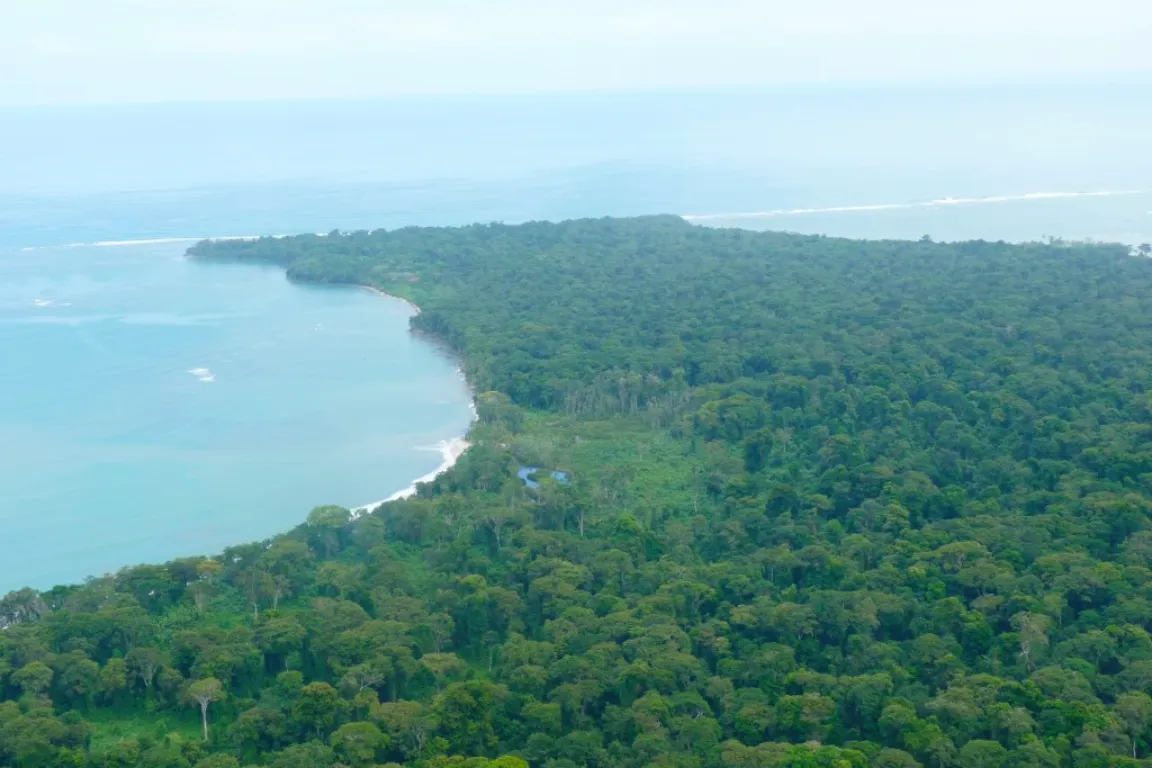
Nestled along the Caribbean coastline in the province of Limón, Cahuita National Park is one of Costa Rica’s most underrated gems. Unlike the more crowded Pacific destinations, Cahuita offers a raw, authentic experience that feels untouched and deeply connected to nature. Located just south of Puerto Limón, this coastal paradise blends tropical rainforest, coral reefs, and vibrant Afro-Caribbean culture into a single unforgettable destination.
What makes Cahuita truly special isn’t just its location—it’s the atmosphere. The moment you arrive, you’ll notice the slower pace of life, the sound of waves crashing gently, and the scent of coconut-infused dishes drifting through the air. It’s not just a park; it’s a living, breathing ecosystem intertwined with a proud and resilient community.
Why Cahuita Stands Out in Costa Rica
Costa Rica is famous for its national parks, but Cahuita stands in a category of its own. Why? Because it represents a shared governance model where both the government and the local community work hand in hand to protect and manage the park. This approach isn’t just innovative—it’s deeply impactful. It ensures that conservation efforts directly benefit the people who live there, creating a sustainable balance between tourism and environmental protection.
Visitors often say Cahuita feels more personal compared to other parks. That’s because it is. From local guides who grew up exploring these forests to community lifeguards who ensure your safety, every experience here is rooted in authenticity. It’s not a manufactured tourist attraction—it’s real life, thriving in harmony with nature.
A Unique Model of Shared Governance
Community and Government Collaboration
One of the most fascinating aspects of Cahuita National Park is its co-management system. Unlike traditional national parks that are solely run by government agencies, Cahuita operates under a shared governance model involving the local community and Costa Rica’s National System of Conservation Areas (SINAC).
This collaboration began as a response to community concerns about conservation policies affecting local livelihoods. Instead of conflict, a partnership was formed—one that has become a global example of sustainable tourism and environmental governance. The community actively participates in decision-making processes, ensuring that both ecological preservation and economic development go hand in hand.
This model has led to improved conservation outcomes, stronger community engagement, and a more meaningful visitor experience. When you visit Cahuita, you’re not just supporting a national park—you’re supporting an entire community.
Role of Local Lifeguards and Rangers
Safety and conservation go hand in hand in Cahuita. The park employs community-based lifeguards and trained park rangers, many of whom have deep generational ties to the area. These individuals are not just employees—they are stewards of the land and sea.
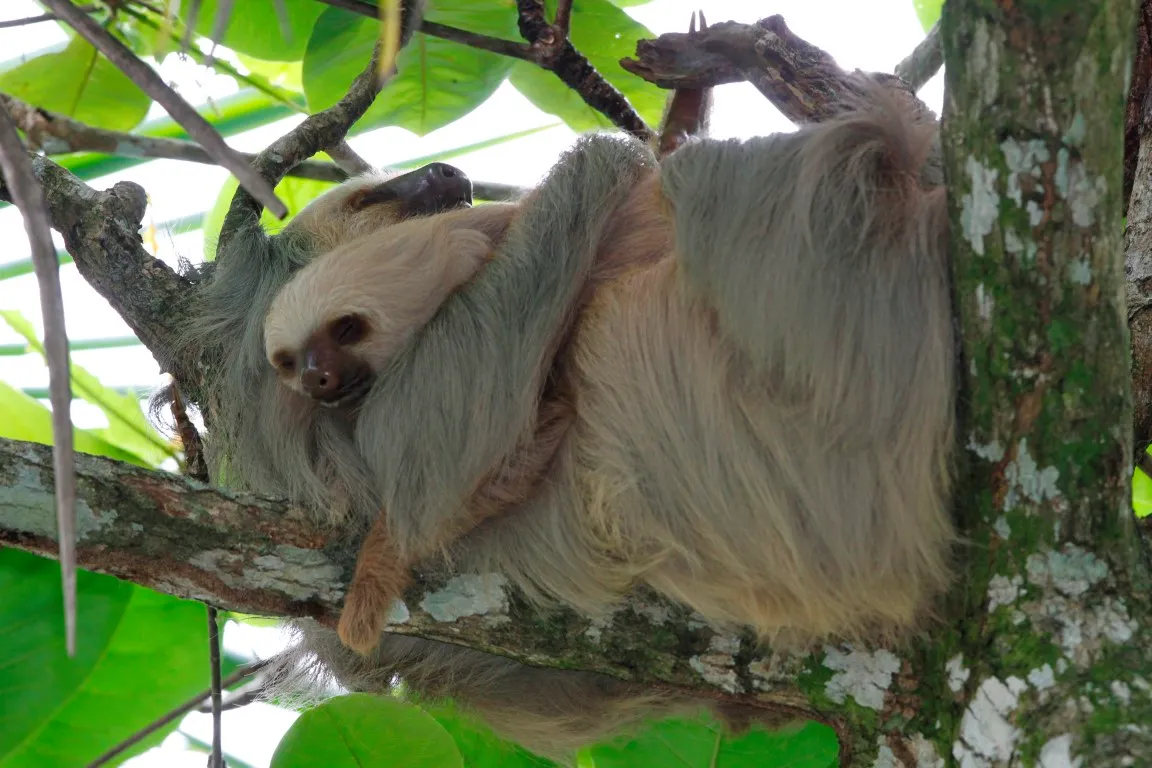
Local lifeguards monitor beach conditions and ensure safe swimming zones, while rangers protect wildlife and guide visitors through the park’s trails. Their knowledge is unmatched. Want to spot a sloth hidden in the trees or learn about the delicate coral ecosystem? These are the people who will make it happen.
The Natural Beauty of Cahuita
White Sand Beaches and Turquoise Waters
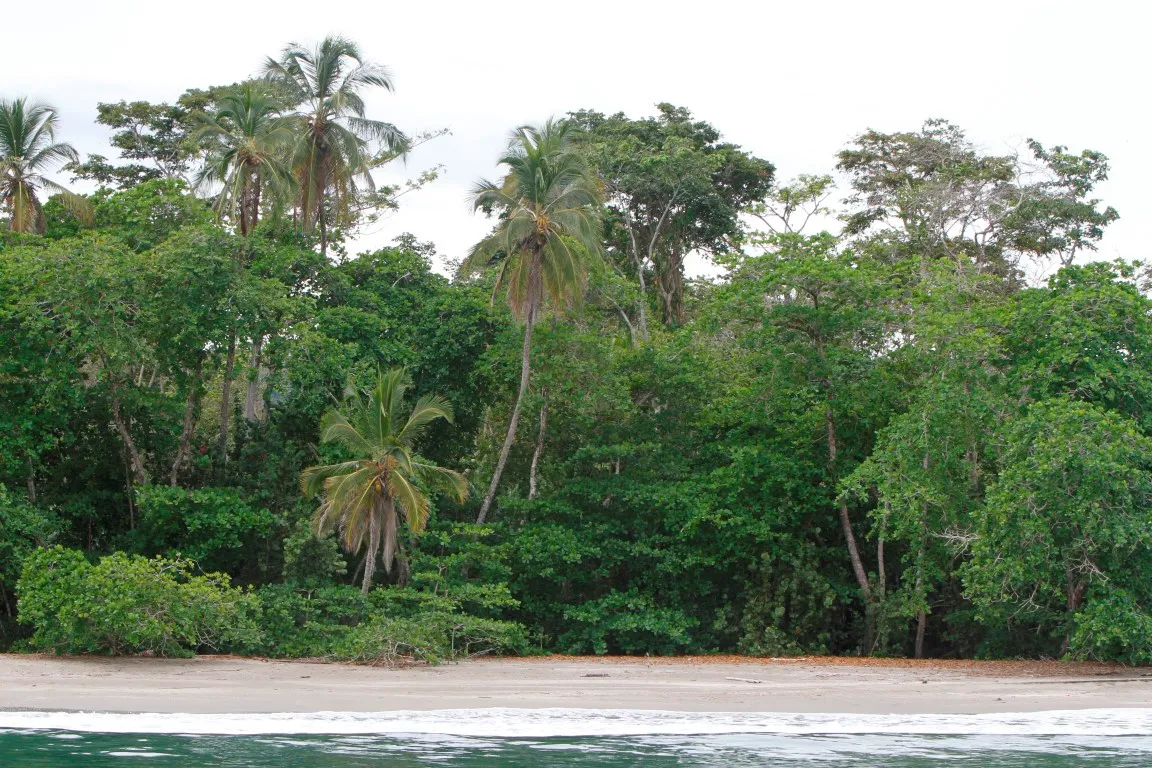
Picture this: soft white sand beneath your feet, crystal-clear turquoise water stretching to the horizon, and palm trees swaying gently in the breeze. That’s Cahuita. The park’s beaches are not only stunning but also relatively uncrowded, making them perfect for relaxation.
Unlike many tropical destinations, Cahuita’s beaches offer safe swimming areas, thanks to the protective barrier formed by the coral reef. This creates calm, shallow waters ideal for families, beginners, and anyone looking to unwind without worrying about strong currents.
The Coral Reef Ecosystem
The real star of Cahuita is its coral reef, considered the most developed and well-preserved reef system on Costa Rica’s Caribbean coast. Spanning hundreds of hectares, this underwater world is a vibrant ecosystem teeming with life.
Marine Life You Can Discover
Snorkeling in Cahuita feels like stepping into another universe. Beneath the surface, you’ll encounter:
- Brain coral and elkhorn coral formations
- Colorful fish like queen angelfish and French angelfish
- Sea cucumbers, lobsters, and sea fans
- Sea turtles such as Chelonia mydas (green turtle)
The diversity is astonishing. Every inch of the reef tells a story of survival, adaptation, and beauty. But it’s also fragile. That’s why visitors are encouraged to follow strict guidelines, like avoiding contact with coral and using biodegradable sunscreen.
Wildlife and Biodiversity
Mammals and Reptiles
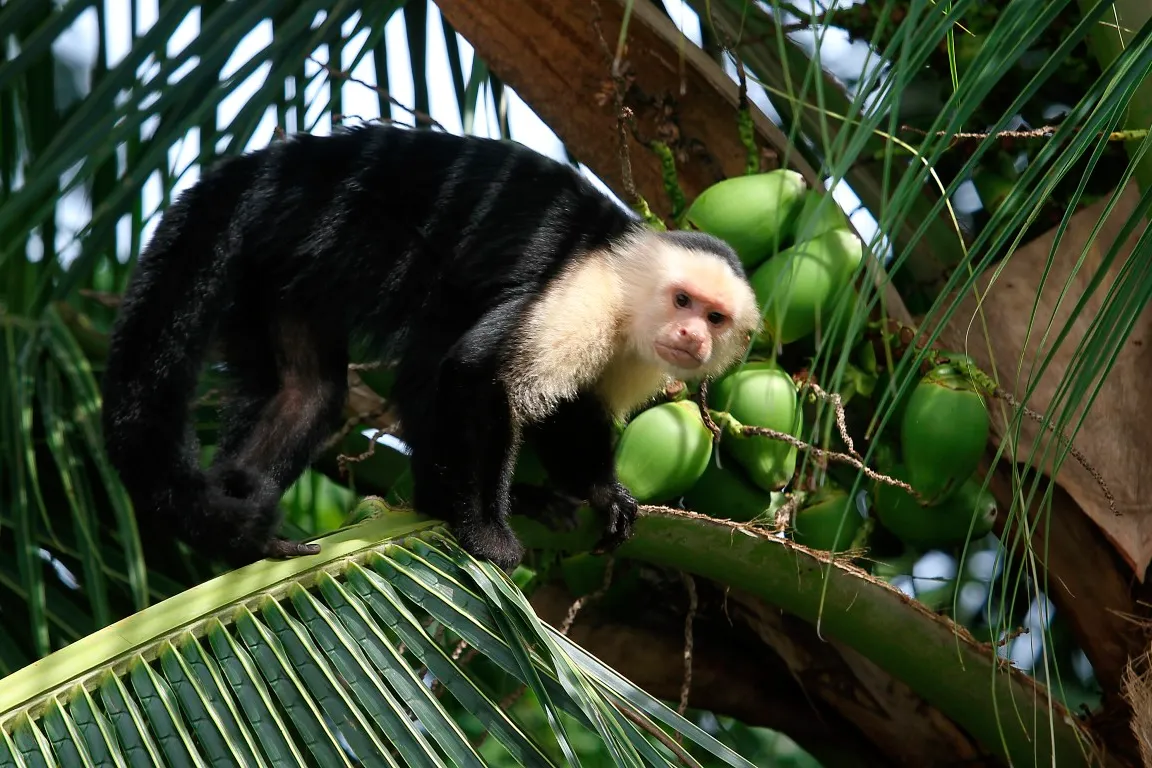
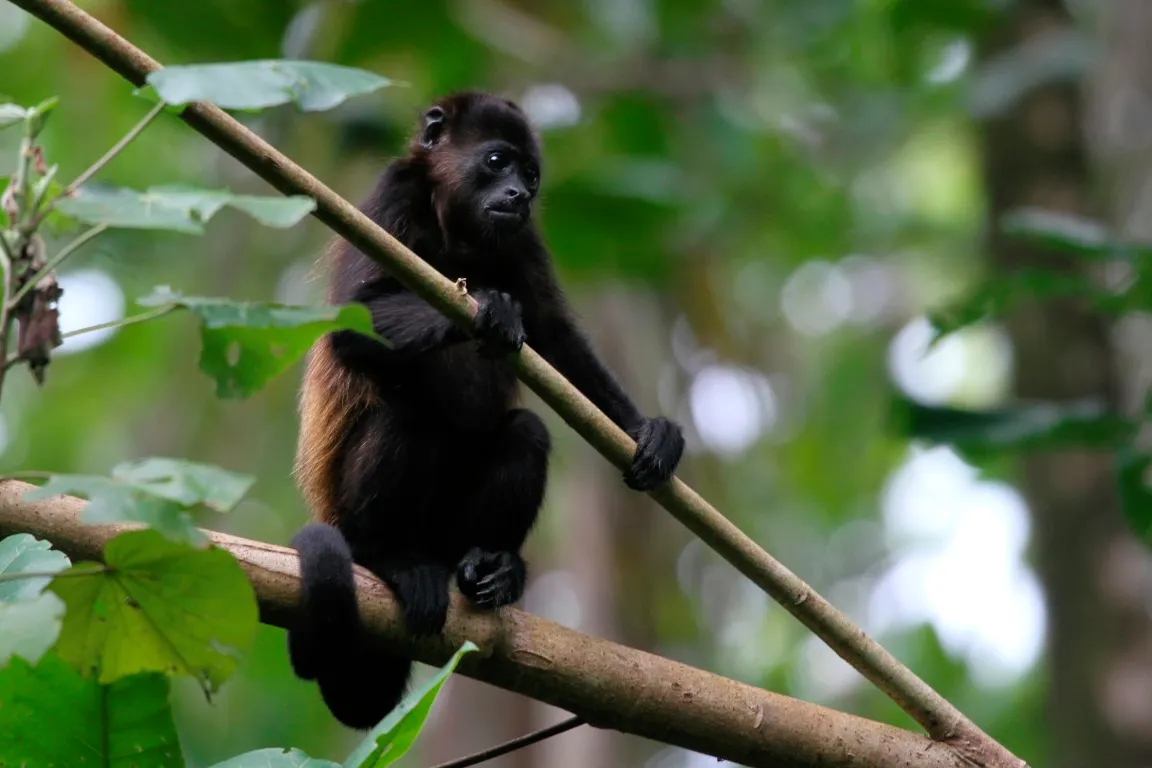
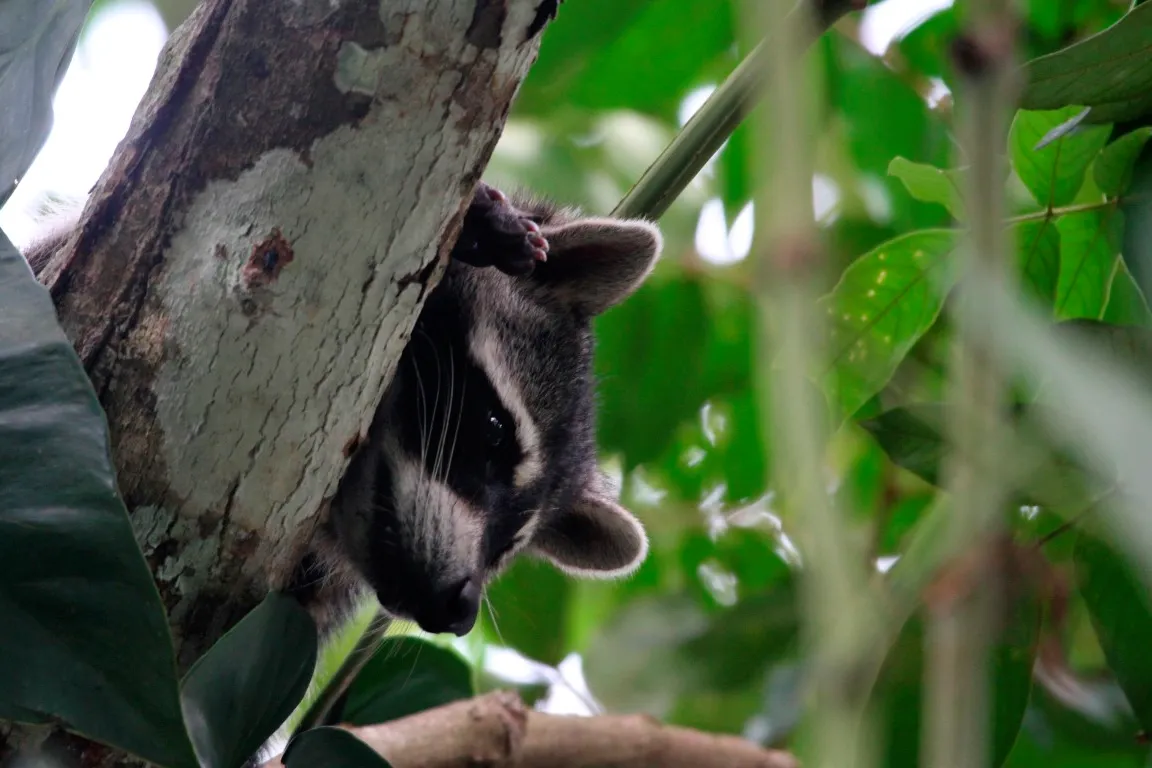
Cahuita isn’t just about marine life—it’s a biodiversity hotspot on land as well. As you walk along the coastal trails, you’ll likely encounter a variety of fascinating animals. White-faced capuchin monkeys, howler monkeys, and sloths are among the most commonly spotted mammals.
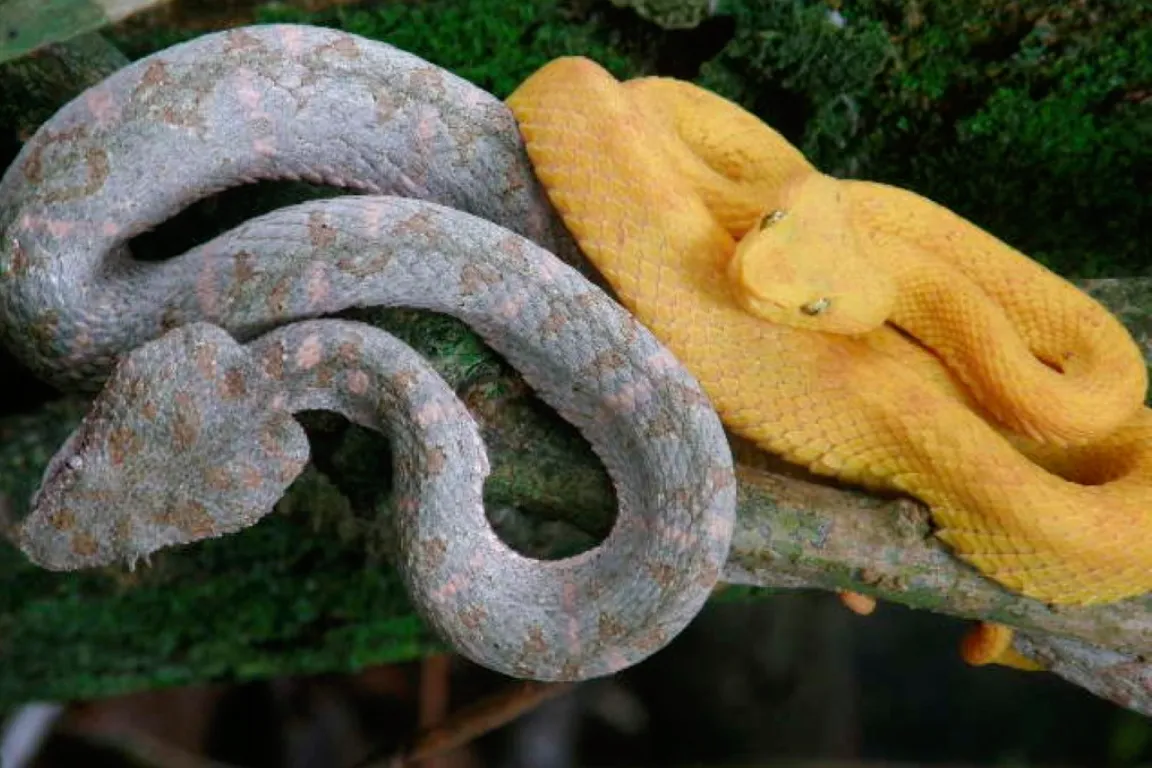
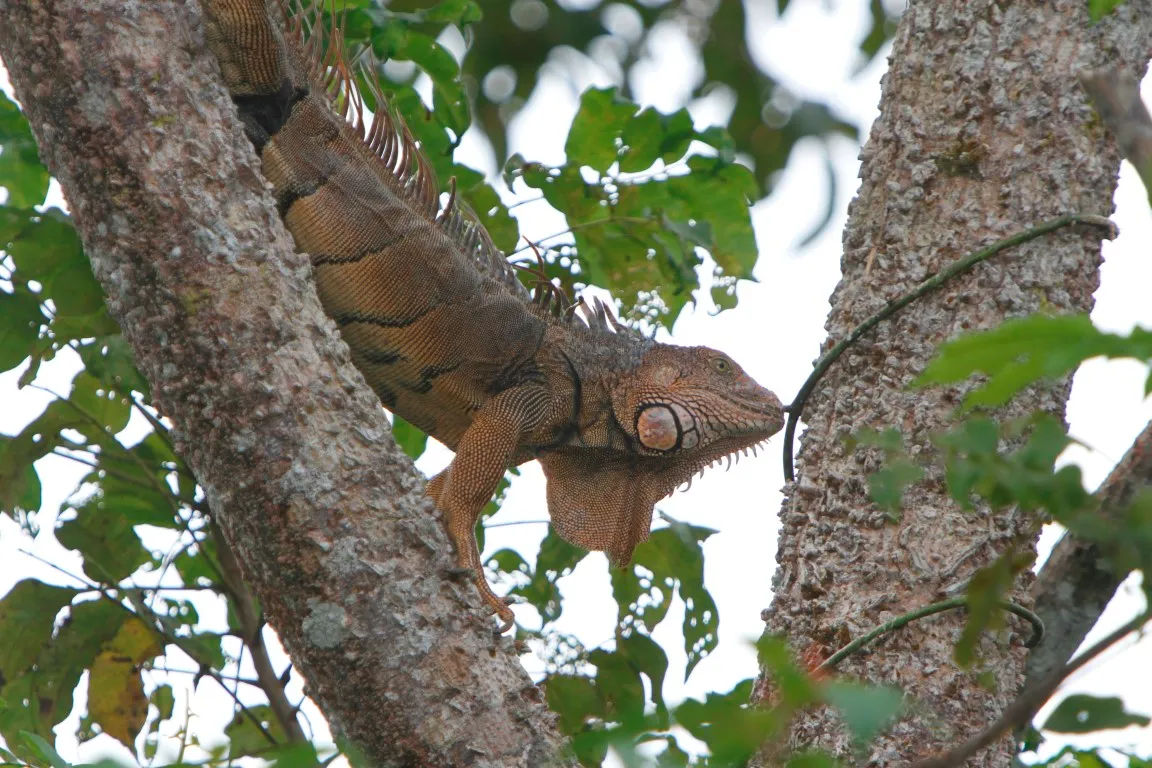
Reptiles are equally abundant. Keep an eye out for iguanas, basilisks (often called “Jesus Christ lizards” for their ability to run on water), and snakes like the striking oropel and tamagá. While some of these creatures may look intimidating, they play essential roles in maintaining the ecosystem’s balance.
Bird Species and Tropical Fauna
Birdwatchers will find Cahuita to be a paradise. The park is home to species like the crab hawk, toucans, trogons, and night herons. Each bird adds a splash of color and sound to the already vibrant environment.
The diversity of flora and fauna creates a dynamic ecosystem where every organism plays a role. It’s a living classroom, offering endless opportunities to learn about tropical ecology.
Activities and Things to Do
Hiking and Nature Trails
Cahuita features scenic trails that run parallel to the coastline, offering breathtaking ocean views on one side and dense rainforest on the other. These trails are relatively flat, making them accessible to most visitors.
Walking through these paths feels like stepping into a nature documentary. You never know what you’ll see next—a monkey swinging overhead, a sloth hanging lazily from a branch, or a colorful bird darting through the trees.
Snorkeling and Water Activities
Snorkeling is arguably the most popular activity in Cahuita. Guided tours are highly recommended, as local experts know the safest and most vibrant spots on the reef.
The calm waters make it ideal even for beginners. And the reward? A front-row seat to one of the most beautiful underwater ecosystems in Central America.
Relaxing on the Beach
Sometimes, doing nothing is the best activity. Cahuita’s beaches invite you to slow down, breathe deeply, and simply enjoy the moment. Whether you’re sunbathing, reading a book, or listening to the waves, it’s pure bliss.
Cultural Richness of Cahuita
Afro-Caribbean Heritage
Cahuita’s culture is deeply influenced by Afro-Caribbean traditions, brought by immigrants from Jamaica, Barbados, and other Caribbean islands. This heritage is reflected in everything—from architecture to music.
Colorful wooden houses built on stilts, rhythmic calypso music, and a strong sense of community define the local identity. It’s a culture that celebrates resilience, creativity, and joy.
Gastronomy of the Caribbean Coast
Food in Cahuita is an experience in itself. The use of coconut milk, spices, and fresh seafood creates flavors that are bold and unforgettable. Popular dishes include:
- Rice & Beans cooked in coconut milk
- Rondón (a hearty seafood stew)
- Patí (a spicy meat pastry)
- Plantinta and Pan Bon
Every bite tells a story of cultural fusion and culinary tradition.
Historical Background
Early Settlers and Indigenous Influence
The history of Cahuita dates back to the 18th century when settlers were drawn to the area by the abundance of marine life, particularly sea turtles. Indigenous groups and Afro-Caribbean communities relied on these resources for survival.
The first recorded settler, William Smith, arrived in 1828, establishing what is now known as Punta Cahuita. Over time, agriculture and fishing became the main sources of livelihood.
Creation of the National Park
Cahuita was declared a National Monument in 1970 and later became a National Park in 1978. The goal was to protect its unique coral reef and surrounding ecosystems. Since then, it has become a cornerstone of Costa Rica’s conservation efforts.
Sustainable Tourism and Community Impact
Local Guides and Tourism Development
Tourism in Cahuita isn’t just about visitors—it’s about empowering the local community. Many guides are trained by institutions like the National Learning Institute (INA) and certified by the Costa Rican Tourism Board (ICT).
Hiring a local guide doesn’t just enhance your experience—it directly supports the community. It’s a win-win situation where education, conservation, and economic growth intersect.
Travel Tips and Recommendations
Best Practices for Visitors
To make the most of your visit while protecting the environment:
- Stay on designated trails
- Use biodegradable sunscreen
- Avoid touching coral reefs
- Keep your belongings secure
- Do not bring pets, alcohol, or prohibited items
Respecting these guidelines ensures that Cahuita remains a paradise for generations to come.
Cahuita National Park is more than just a destination—it’s a story of harmony between people and nature. From its vibrant coral reefs to its rich cultural heritage, every aspect of the park reflects a deep commitment to sustainability and community. Visiting Cahuita isn’t just a trip; it’s an experience that stays with you long after you leave.
FAQs
1. Is Cahuita National Park free to enter?
Yes, the main entrance operates on a donation basis, making it accessible to all visitors.
2. What is the best time to visit Cahuita?
The driest months, typically September and October on the Caribbean coast, are ideal for visiting.
3. Can beginners go snorkeling in Cahuita?
Absolutely. The calm waters make it perfect for beginners, especially with a guide.
4. Are there dangerous animals in the park?
While there are snakes and wildlife, attacks are extremely rare if you follow guidelines.
5. How long should I spend in Cahuita?
A full day is enough to explore the park, but staying longer allows you to enjoy the culture and nearby attractions.