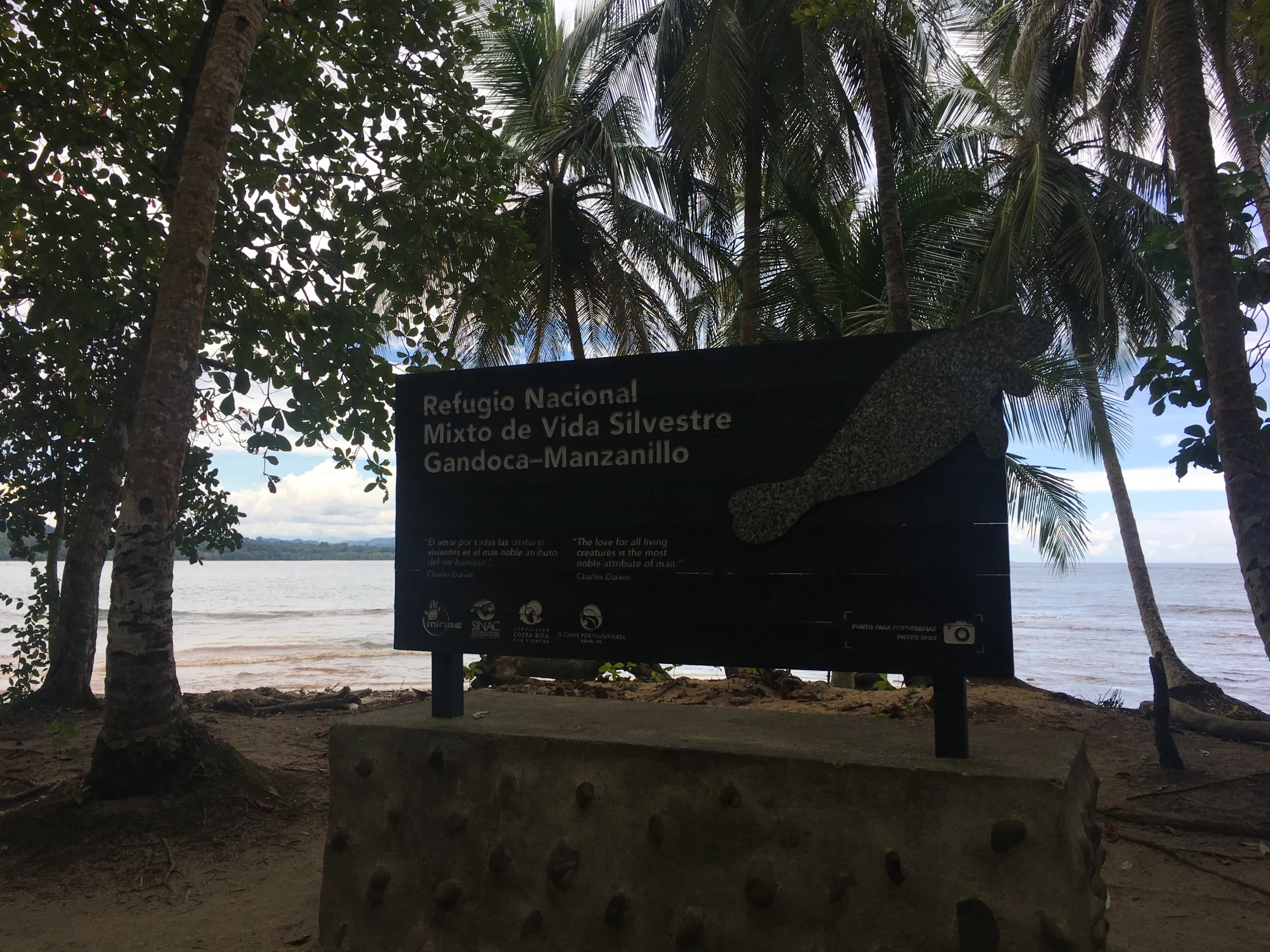
Gandoca-Manzanillo National Wildlife Refuge
The Ultimate Guide to Costa Rica’s Hidden Caribbean Paradise
Where is Gandoca-Manzanillo Located?
Geographic Position on Costa Rica’s Caribbean Coast
Tucked away in the lush southeastern corner of Costa Rica lies the breathtaking Gandoca-Manzanillo National Wildlife Refuge, a destination that feels like stepping into a living postcard. This protected area stretches along the Caribbean coastline, between the mouth of the Cocles River and the Sixaola River, near the border with Panama. Located in the province of Limón, within the canton of Talamanca, the refuge forms part of one of the most biologically rich regions in Central America.
What makes this location so unique is its fusion of ecosystems. Imagine standing on a golden beach, with turquoise waters gently crashing on coral reefs, while dense rainforest looms just steps behind you. This is not your typical national park—it’s a vibrant, ever-changing interface between land and sea. The region also benefits from a humid tropical climate, meaning greenery is lush year-round, and wildlife is always active.
How to Get to the Refuge
Getting to Gandoca-Manzanillo is part of the adventure. Most travelers begin their journey in San José, heading east toward the Caribbean coast. The drive to the town of Manzanillo typically takes about 4 to 5 hours, depending on traffic and weather conditions. Along the way, you’ll pass through stunning mountain landscapes and dense jungle areas before descending toward the coast.
Alternatively, many visitors choose to base themselves in nearby destinations like Puerto Viejo de Talamanca, which offers a more developed tourism infrastructure while still maintaining a laid-back Caribbean vibe. From there, it’s just a short drive or bike ride to the refuge. Accessibility is relatively easy, but the remoteness of the area is what preserves its raw, untouched beauty.
History and Legal Foundation
Creation in 1985
The Gandoca-Manzanillo refuge wasn’t always protected. It officially came into existence in 1985 through Executive Decree No. 16614-MAG, a crucial move that recognized the ecological significance of the region. At that time, Costa Rica was rapidly expanding its conservation efforts, and this area stood out as a critical habitat for endangered species and fragile ecosystems.
The decision to establish the refuge was driven by the need to protect wetlands, coral reefs, and tropical forests that were under increasing threat from human activity. Conservationists and local communities played a key role in advocating for its protection, highlighting the importance of preserving both biodiversity and traditional ways of life.
The 2014 Law and Protected Boundaries
Nearly three decades later, in 2014, the Costa Rican government reinforced the refuge’s legal status with Law No. 9223. This law clearly defined the boundaries of the protected area and recognized the rights of local Caribbean communities. It’s a fascinating example of how conservation and human development can coexist when managed thoughtfully.
The refuge operates under a mixed ownership model, meaning both public and private lands are included. Management is overseen by the Caribbean La Amistad Conservation Area, ensuring that ecological preservation remains the top priority while still allowing sustainable use by local residents.
Size and Ecosystem Diversity
Land and Marine Areas Explained
One of the most impressive aspects of Gandoca-Manzanillo is its sheer size and diversity. The refuge covers approximately 10,452 hectares, divided almost equally between terrestrial and marine environments. About 5,091 hectares are land-based, while 5,360 hectares extend into the Caribbean Sea.
This balance creates a seamless connection between ecosystems, allowing species to thrive both on land and underwater. Few places in the world offer such an integrated conservation model, making this refuge a vital ecological corridor.
Unique Coastal and Wetland Systems
The refuge is home to an extraordinary range of habitats, including yellow sand beaches, mangroves, swamps, lagoons, and flooded forests. These wetlands are particularly important because they act as natural filters for water and provide breeding grounds for countless species.
You’ll also find seagrass beds and algae communities beneath the waves, supporting marine life and stabilizing the coastline. It’s like nature’s version of a multitasking system—every element plays a role in maintaining balance.
Biodiversity: A Natural Treasure
Wildlife Species You Can Find
If you’re a nature lover, Gandoca-Manzanillo is nothing short of paradise. The refuge boasts an incredible diversity of wildlife, including 38 species of mammals, 377 species of birds, and over 1,200 species of plants. That’s not just impressive—it’s mind-blowing.
Among the mammals, you might spot howler monkeys swinging through the trees, or even elusive wild cats if you’re lucky. Birdwatchers will be in heaven, with colorful toucans, parrots, and hummingbirds filling the canopy with life and sound.
Endangered Species Protection
The refuge plays a critical role in protecting endangered species, especially sea turtles. Four species—leatherback, loggerhead, green, and hawksbill turtles—nest along its beaches. Watching a turtle come ashore to lay eggs is one of those once-in-a-lifetime experiences that stays with you forever.
Other protected species include the West Indian manatee, crocodiles, caimans, and the endangered Baird’s tapir. These animals rely on the refuge’s intact ecosystems to survive, making conservation efforts here absolutely essential.
Marine Ecosystems and Coral Reefs
Coral Reef Systems Near Punta Uva and Manzanillo
Just offshore, you’ll find approximately 5 square kilometers of coral reefs, particularly near Punta Uva, Manzanillo, and Mona. These reefs are home to brain corals, sea fans, and a dazzling array of marine life.
Snorkeling here feels like entering another world. Schools of tropical fish dart between coral formations, while rays glide gracefully along the ocean floor. It’s a vibrant underwater ecosystem that rivals some of the best in the Caribbean.
Marine Flora and Fauna
Beyond the reefs, the marine environment includes seagrass beds and algae fields that support species like tarpon and lobster. These areas are crucial for feeding and breeding, ensuring the sustainability of marine populations.
Beaches and Natural Attractions
Yellow Sand Beaches and Turquoise Waters
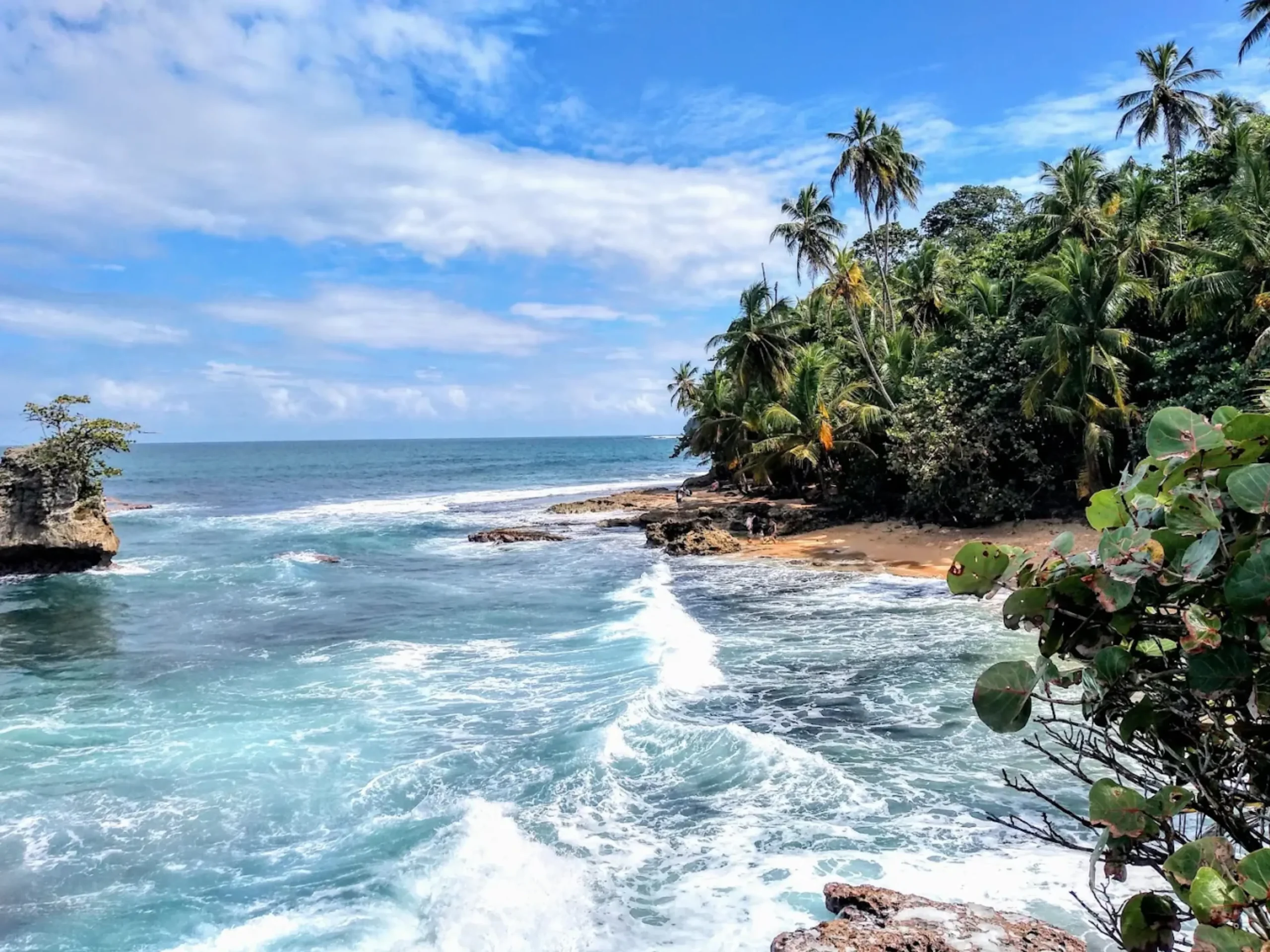
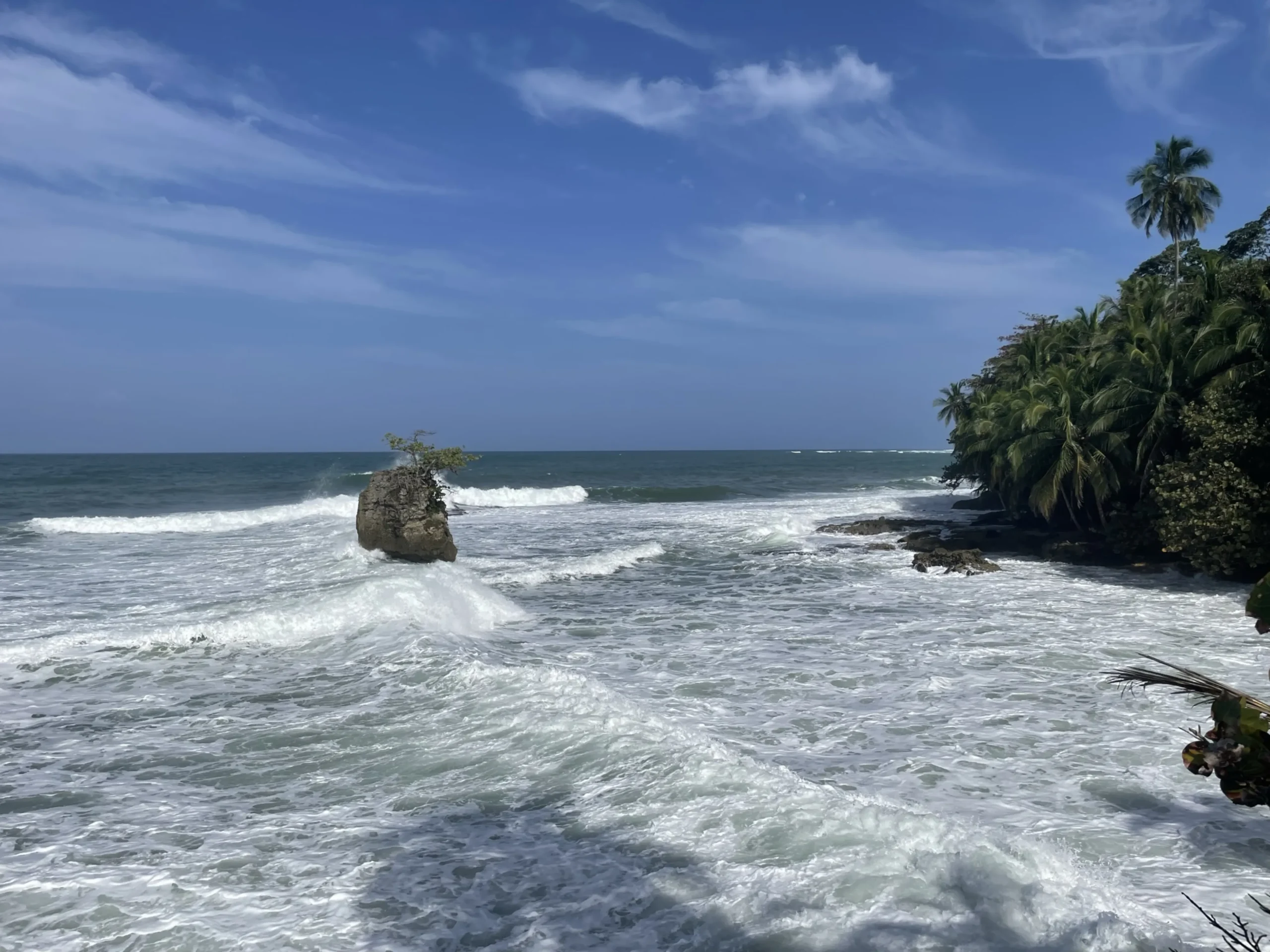
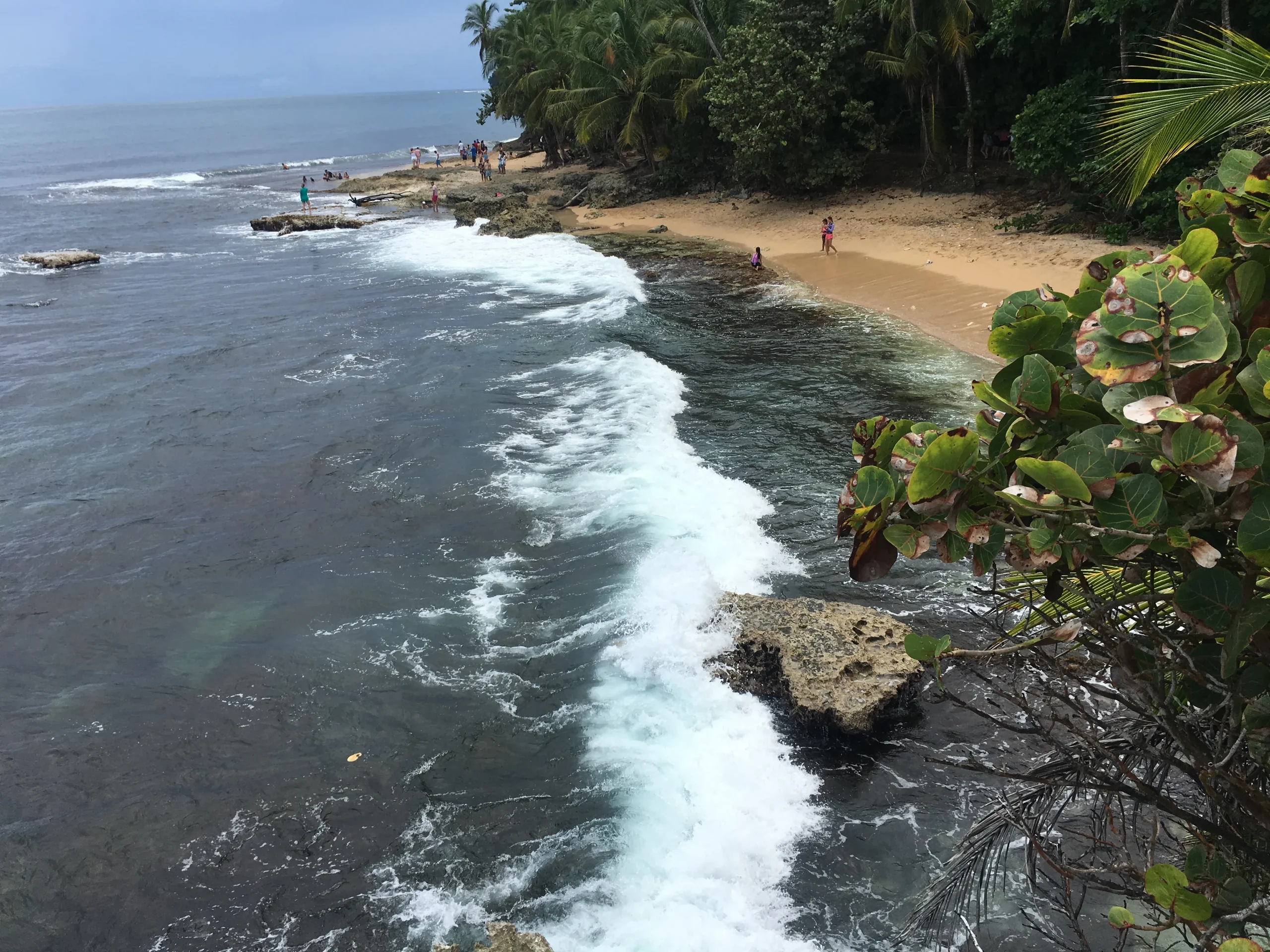
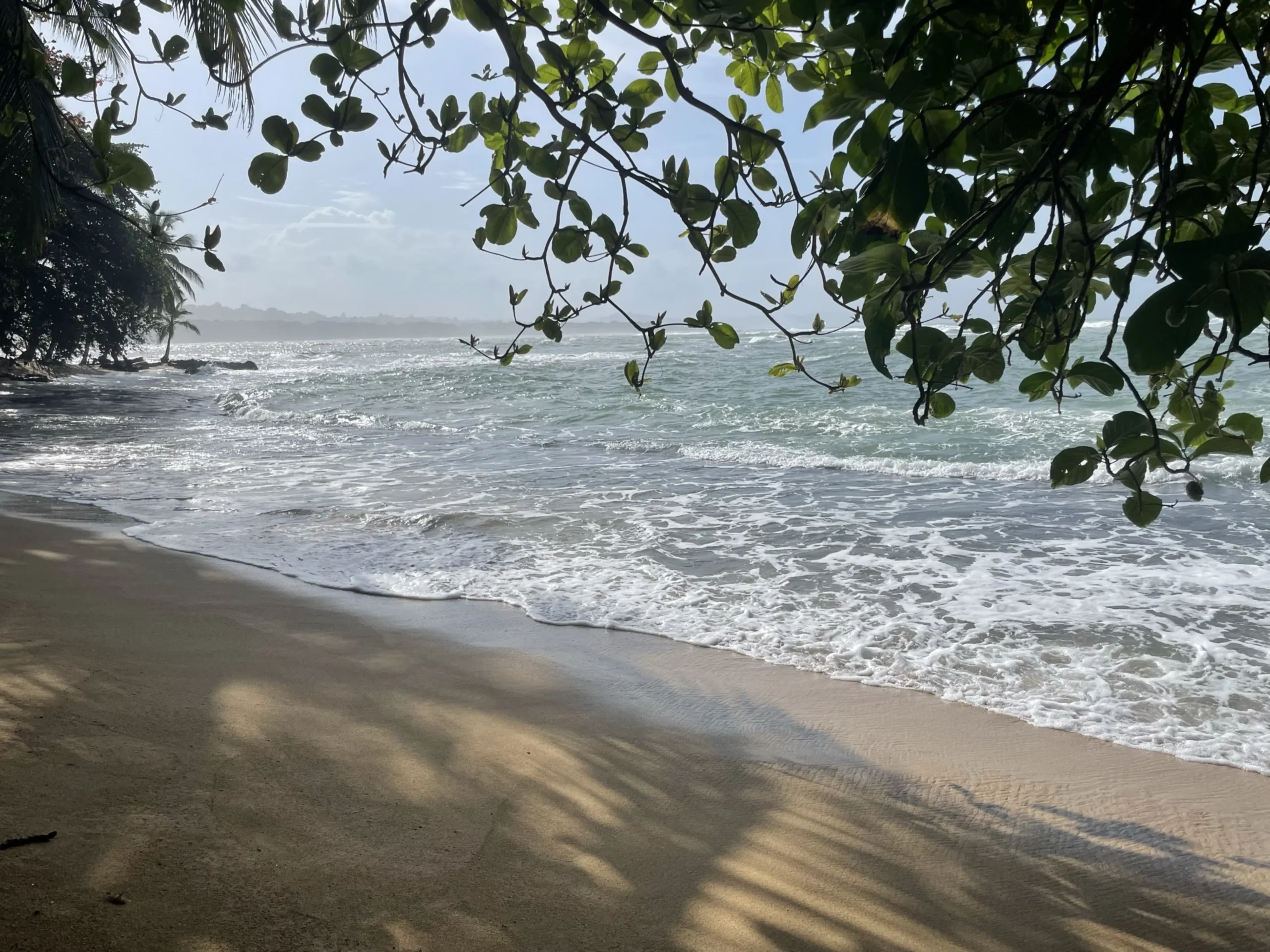
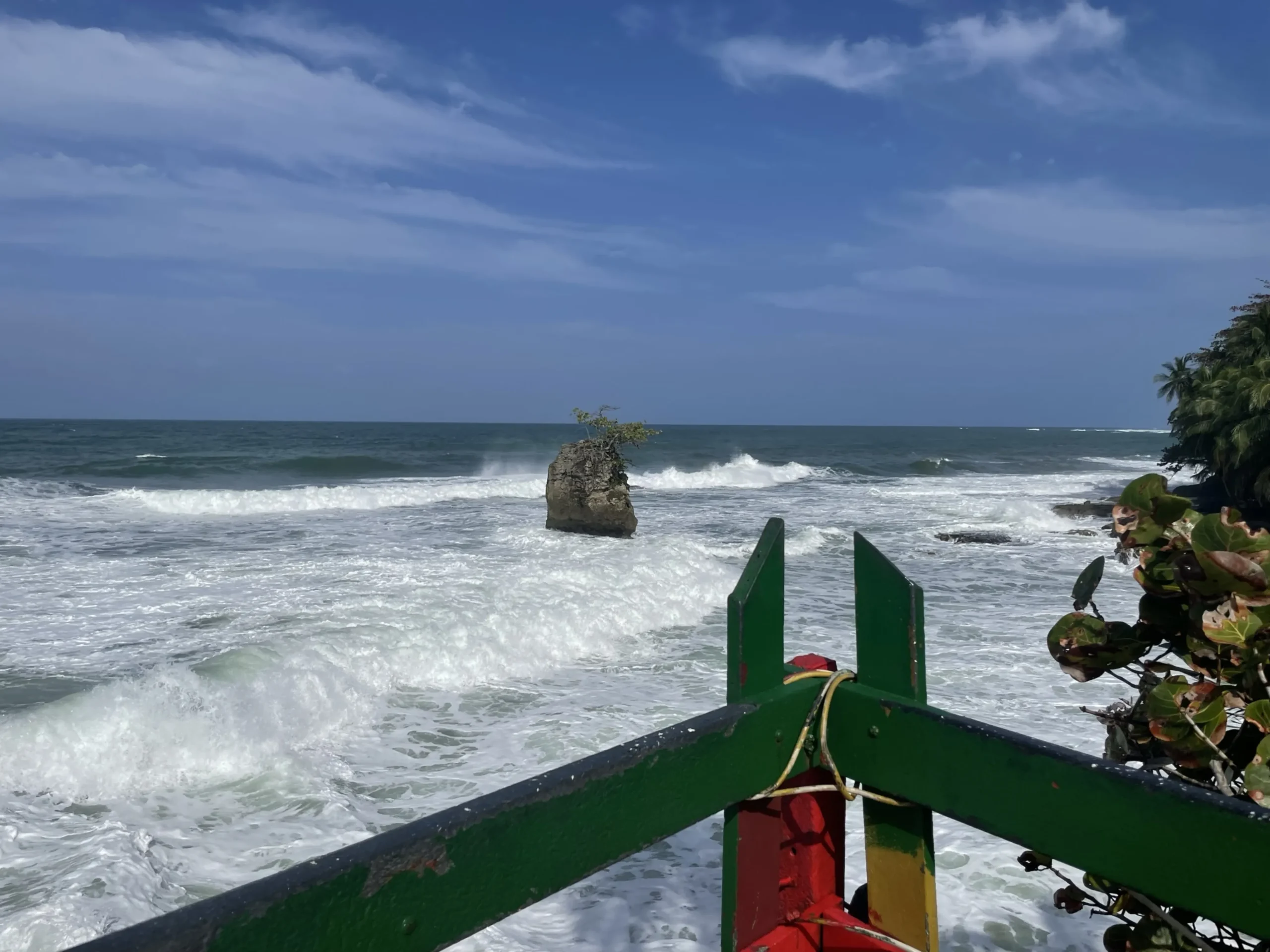
The beaches of Gandoca-Manzanillo are simply stunning. Picture soft yellow sand stretching for miles, framed by lush jungle and kissed by crystal-clear turquoise waters. These aren’t overcrowded tourist beaches—they’re peaceful, almost untouched.
Whether you’re swimming, sunbathing, or just walking along the shore, there’s a sense of serenity that’s hard to find elsewhere.
Geological Formations and Coastal Features
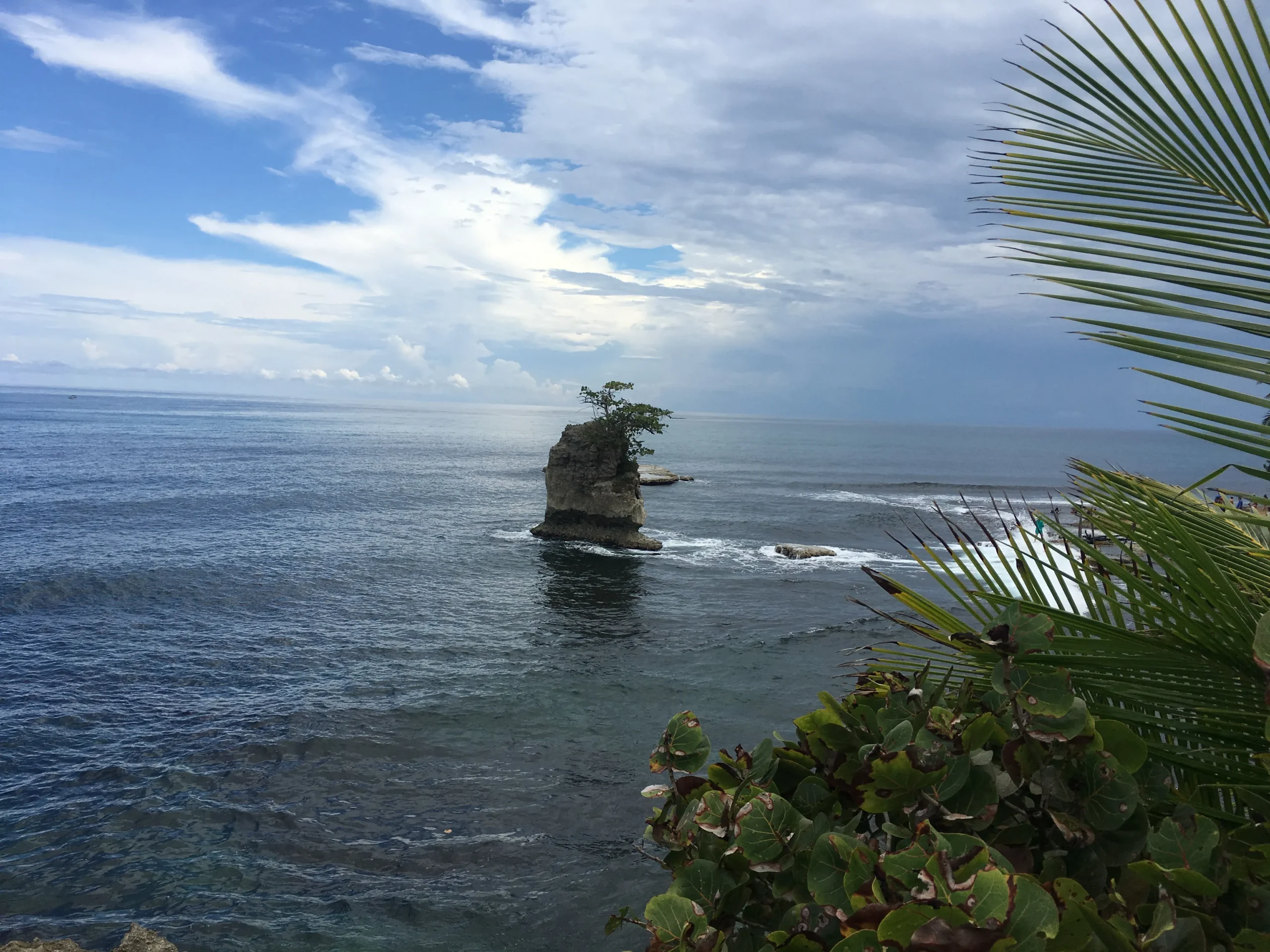
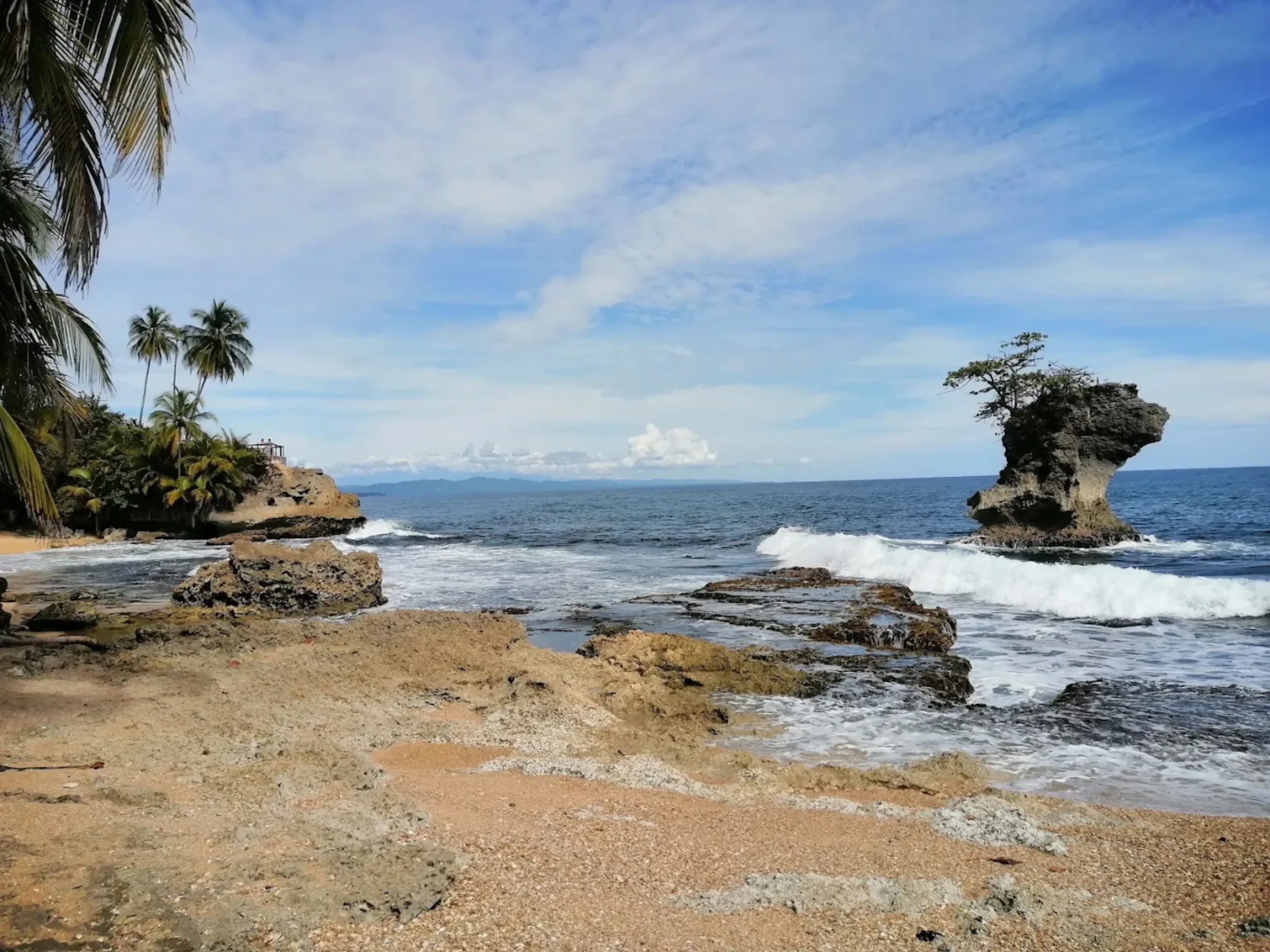
Between Gandoca and Punta Cocles, you’ll encounter fascinating geological formations dating back to the Quaternary period. These sedimentary rocks tell the story of the region’s ancient past, shaped by rivers and ocean currents over thousands of years.
Flora and Fauna Richness
Plant Diversity
With over 1,200 species of vascular plants, the refuge is a botanical wonderland. From towering trees to delicate orchids, the variety is astonishing.
Bird, Mammal, and Insect Species
In addition to birds and mammals, the refuge is home to more than 1,200 butterfly species and hundreds of insects. It’s a living laboratory for scientists and a dream for photographers.
Visitor Services and Facilities
Available Amenities
Visitors to the refuge can access basic services such as potable water, restrooms, trails, and parking areas. While facilities are modest, they are sufficient for a comfortable and enjoyable visit.
Things to Do in Gandoca-Manzanillo
Hiking and Nature Trails
The refuge offers several trails that wind through forests, wetlands, and coastal areas. Hiking here is an immersive experience—you’re not just observing nature; you’re part of it.
Wildlife Watching and Photography
Bring your camera because every corner offers a new opportunity for incredible shots. From vibrant birds to playful monkeys, the refuge is a photographer’s dream.
Visitor Guidelines and Recommendations
Safety Tips and Conservation Rules
To protect both visitors and the environment, certain rules must be followed. Stay on designated trails, use biodegradable sunscreen, and avoid touching coral reefs. Pets, alcohol, and weapons are strictly prohibited.
Respecting these guidelines ensures that the refuge remains pristine for future generations.
Why Gandoca-Manzanillo Matters
Ecological and Social Importance
This refuge isn’t just about nature—it’s about people too. It supports local communities by promoting sustainable tourism and preserving cultural heritage. At the same time, it safeguards ecosystems that are vital for global biodiversity.
The Gandoca-Manzanillo National Wildlife Refuge is more than a destination—it’s an experience that connects you with nature in its purest form. From its rich biodiversity to its stunning landscapes, every aspect of this place tells a story of balance, resilience, and beauty. Whether you’re an adventurer, a nature enthusiast, or simply someone looking to escape the noise of modern life, this Caribbean gem offers something truly unforgettable.
Gallery of Gandoca-Manzanillo National Wildlife Refuge
FAQs
1. What is the best time to visit Gandoca-Manzanillo?
The refuge can be visited year-round, but drier months typically offer better conditions for hiking and wildlife observation.
2. Can you swim in the refuge?
Yes, but only in designated safe areas. Always follow posted guidelines.
3. Are guided tours available?
Yes, local guides offer tours that enhance your experience and provide valuable insights.
4. Is the refuge family-friendly?
Absolutely! It’s a great place for families who enjoy nature and outdoor activities.
5. Do you need permits to enter?
Some areas may require permits or fees, so it’s best to check in advance.