Puerto Viejo Costa Rica
A Complete Travel & Culture Guide
If Costa Rica had a soul made of rhythm, salt air, and jungle mist, it would probably live in Puerto Viejo de Talamanca. This small Caribbean town isn’t polished or pretentious. It’s raw, colorful, and alive. Think reggae beats floating through humid air, beaches that look like postcards but feel untouched, and a culture that moves at its own pace—never rushed, never forced.
Puerto Viejo isn’t just a destination. It’s a mood. And once you experience it, you’ll understand why so many travelers come for a few days and stay for weeks… or forever.
Where Is Puerto Viejo de Talamanca Located?
Puerto Viejo de Talamanca is located on the southern Caribbean coast of Costa Rica, in the Limón Province, close to the Panamanian border. It sits between lush rainforest and the turquoise waters of the Caribbean Sea, creating a landscape that feels almost unreal.
Unlike Costa Rica’s Pacific coast, the Caribbean side has a completely different personality—more relaxed, more rhythmic, and deeply rooted in Afro-Caribbean traditions.
Difference Between Puerto Viejo de Talamanca and Puerto Viejo de Sarapiquí
If Costa Rica had a soul made of rhythm, salt air, and jungle mist, it would probably live in Puerto Viejo de Talamanca. This small Caribbean town isn’t polished or pretentious. It’s raw, colorful, and alive. Think reggae beats floating through humid air, beaches that look like postcards but feel untouched, and a culture that moves at its own pace—never rushed, never forced.
Puerto Viejo isn’t just a destination. It’s a mood. And once you experience it, you’ll understand why so many travelers come for a few days and stay for weeks… or forever.
Where Is Puerto Viejo de Talamanca Located?
Caribbean Coast of Costa Rica
Puerto Viejo de Talamanca is located on the southern Caribbean coast of Costa Rica, in the Limón Province, close to the Panamanian border. It sits between lush rainforest and the turquoise waters of the Caribbean Sea, creating a landscape that feels almost unreal.
Unlike Costa Rica’s Pacific coast, the Caribbean side has a completely different personality—more relaxed, more rhythmic, and deeply rooted in Afro-Caribbean traditions.
Difference Between Puerto Viejo de Talamanca and Puerto Viejo de Sarapiquí
Here’s where many visitors get confused. There are two towns called Puerto Viejo in Costa Rica:
-
Puerto Viejo de Talamanca (Caribbean beach town)
-
Puerto Viejo de Sarapiquí (inland rainforest area)
Buses from San José often display the same destination name, so always double-check. If you want beaches, reggae, and surf—Talamanca is your spot.
A Brief History of Puerto Viejo
From Old Harbour to Puerto Viejo
Originally known as Old Harbour, the town was founded by Afro-Caribbean settlers, many of Jamaican descent. English and Creole were once the dominant languages here.
When Costa Rica later institutionalized Spanish as the national language, town names were changed. Old Harbour became Puerto Viejo, Fields became Bribrí, and Bluff became Cahuita.
Afro-Caribbean Roots and Jamaican Influence
Puerto Viejo’s culture is deeply shaped by Jamaican heritage. This influence is visible everywhere—from the food and music to the accent and relaxed approach to life. Reggae and calypso aren’t just music here; they’re part of daily life.
Indigenous Bribri Presence
In the surrounding mountains and outskirts, the Bribri people have lived for generations. They maintain strong traditions, language, and spiritual connections to the land. Visiting Bribri communities offers a deeper understanding of Costa Rica beyond tourism.
Cultural Identity of Puerto Viejo
A Blend of Cultures
Puerto Viejo feels like a cultural crossroads. Ticos, Afro-Caribbean locals, indigenous communities, Europeans, and travelers from around the world coexist in a surprisingly harmonious way.
Music, Food, and Language
You’ll hear Spanish, English, Creole, and sometimes Bribri—all in the same afternoon. It’s like walking through a living cultural mosaic.
Beaches of Puerto Viejo
This coastline is legendary.
Playa Negra
Famous for its dark volcanic sand and strong waves, Playa Negra is a favorite among surfers and photographers. It’s moody, powerful, and beautiful in a wild kind of way.
Playa Chiquita
Small, intimate, and perfect for swimming when conditions are calm. Palm trees lean over golden sand like they’re posing for a postcard.
Punta Uva
Often ranked among Costa Rica’s most beautiful beaches, Punta Uva is ideal for snorkeling, kayaking, and lazy beach days.
Manzanillo Beach
Located near the Gandoca-Manzanillo Wildlife Refuge, this beach feels untouched. It’s also a launch point for kayaking adventures.
Surfing in Puerto Viejo
Salsa Brava – Costa Rica’s Most Powerful Wave
Salsa Brava is legendary. It’s the biggest and most powerful wave in Costa Rica, breaking over a shallow reef. This wave is not for beginners—it demands respect.
Who Should Surf Salsa Brava?
Only experienced surfers should attempt it. For beginners, there are plenty of gentler breaks nearby.
Wildlife and Nature
Howler Monkeys and Sloths
Don’t be surprised if you hear howler monkeys roaring at sunrise or spot a sloth hanging above a roadside café.
Jaguar Rescue Center
A must-visit. This center rehabilitates injured wildlife and educates visitors about conservation. It’s emotional, inspiring, and eye-opening.
Gandoca-Manzanillo Wildlife Refuge
A protected area filled with mangroves, coral reefs, and jungle trails. Nature lovers will feel right at home.
Adventure Activities
Paratrike + Waterfall + Cuadra

4 hrs, $215/person
Ever dreamed of flying over the rainforest? The Paratrike Waterfall Cuadra tour lets you soar like a toucan, gliding over rivers, trees, and cascading falls. It’s one of the most exhilarating ways to experience Puerto Viejo’s wild beauty — a blend of air, water, and pure freedom.
Feel the wind, see the ocean shimmer below, and capture views you’ll never forget.
Cacao Tour + Waterfall + Off-Road Vehicle
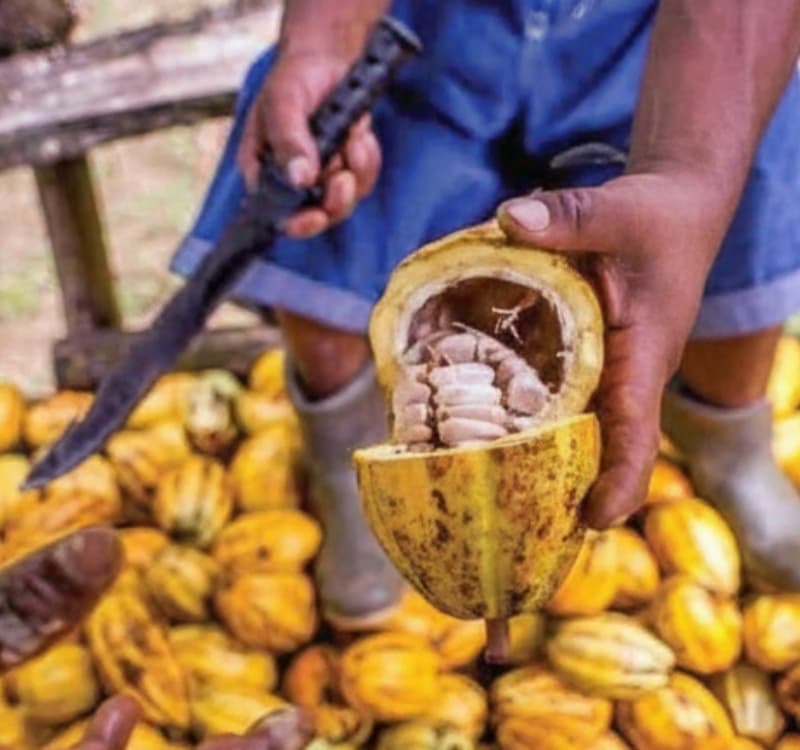
5 hrs, $155/person
Calling all chocolate lovers! This off-road cacao adventure takes you deep into local plantations where cacao trees flourish under the Caribbean sun. Learn how cacao becomes rich, delicious chocolate — then continue your off-road journey to a hidden jungle waterfall for a refreshing dip. A perfect mix of culture, nature, and fun.
Shaman + Waterfall + Mula

4 hrs, $215/person
Ride into the rainforest on a UTV and uncover the mystic side of Costa Rica. Shaman Waterfall Tour leads you through hidden jungle trails to a sacred waterfall known for its natural energy and breathtaking beauty.
Our guide shares ancient legends about indigenous healers who once performed rituals near the falls. It’s a journey through tradition.
Kayak + Waterfall + Mula

4 hrs, $145/person
Paddle through peaceful rivers surrounded by lush greenery and tropical sounds. The Kayak Waterfall Mula tour combines water exploration and off-road excitement. Drive your mula through scenic trails, then hop on your kayak to explore jungle waterways that lead to a secluded waterfall.
Adventure, serenity, and splashes of fun — all in one.
Surf Class + Waterfall + Cuadra
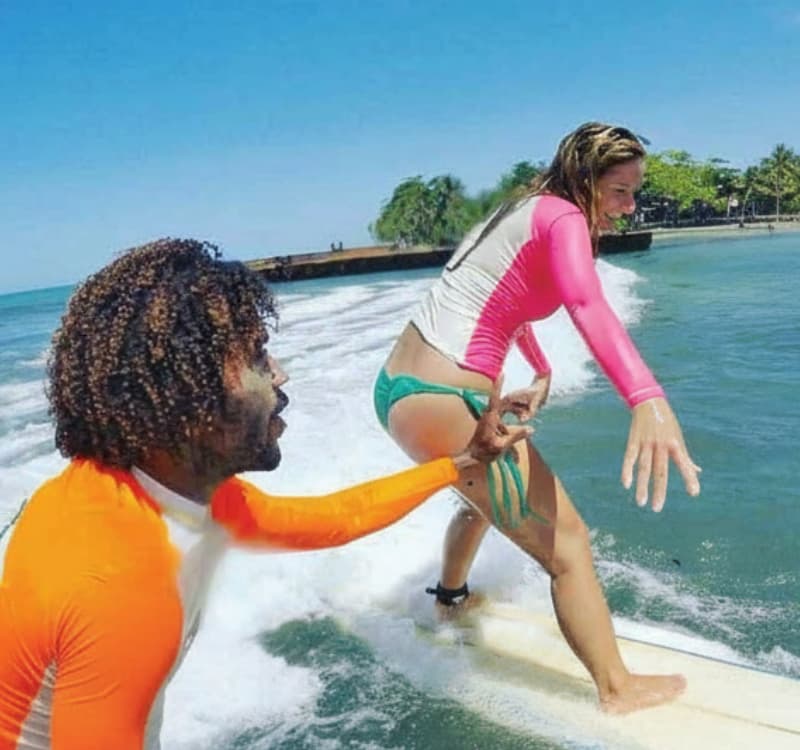
4 hrs, $165/person
Learn to surf in paradise! The Surf Class Waterfall Cuadra experience begins with a guided jungle ride and ends at one of Puerto Viejo’s best surf beaches. Our surf instructors will help you catch your first wave — or perfect your style — while surrounded by the laid-back vibe of the Caribbean coast.
After your surf session, visit a nearby waterfall to cool off and reflect on your ride.
Pura Ride Experience Tour
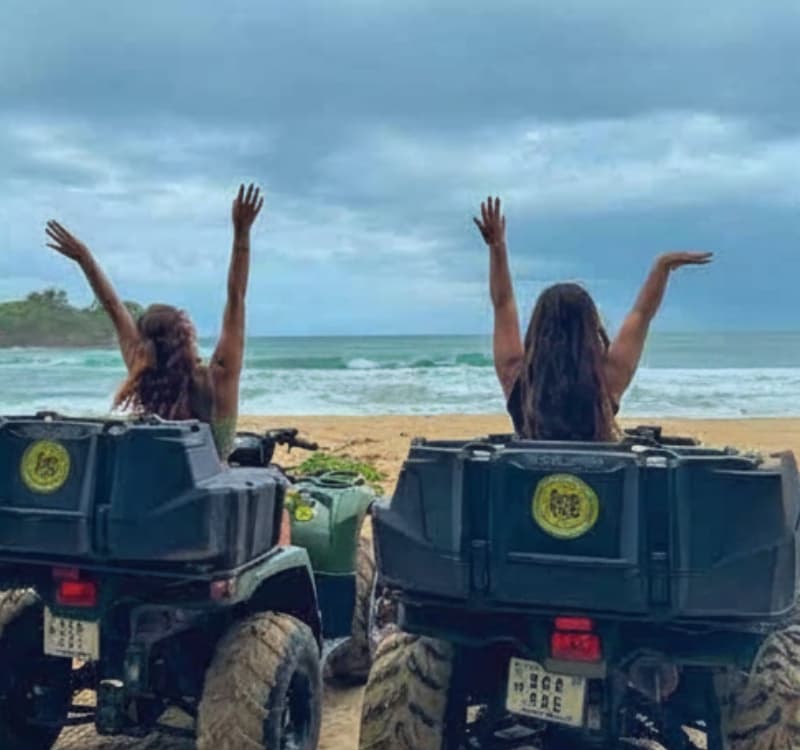
2,5 hrs, $110/person
For the true adventurer, The Tour Pura Ride is the full experience.
This combo adventure includes trails through cacao farms, hidden rivers, and mountain viewpoints — all while you ride our top-tier ATVs or UTVs.
See it all. Feel it all. Live it all. That’s the Pura Ride promise.
Climate and Best Time to Visit
Tropical Weather Patterns
Puerto Viejo enjoys a tropical climate year-round, with consistent temperatures and little variation in daylight—sunrise and sunset hover around 6 AM and 6 PM.
Rainy vs Dry Seasons
Interestingly, the Caribbean coast often has good weather when the Pacific side is rainy. September and October can be surprisingly sunny here.
Food Scene in Puerto Viejo
Caribbean Cuisine
Food here is bold, spicy, and soulful.
Rice and Beans, Rondon, and Patí
Rice and beans cooked in coconut milk is the star. Add rondon (a hearty seafood stew) and patí (spiced meat pastry), and you’ve got a true Caribbean feast.
Nightlife and Vibe
Laid-Back Caribbean Nights
Nightlife isn’t flashy—it’s authentic. Think beach bars, barefoot dancing, and conversations under the stars.
Reggae, Calypso, and Live Music
Music spills into the streets almost every night, setting the rhythm of the town.
Getting to Puerto Viejo
From San José by Bus or Car
Buses run regularly from San José. The trip takes about 4–5 hours. Driving offers scenic views through rainforest and coastline.
Border Travel to Panama
Many travelers pass through Puerto Viejo on their way to Bocas del Toro, Panama. The Sixaola border is about 49 km south.
Accommodation Options
Budget Hostels
Perfect for backpackers and solo travelers.
Boutique Hotels and Eco-Lodges
Eco-conscious stays blend luxury with nature, often surrounded by jungle.
Local Community and Lifestyle
Slow Living Philosophy
Life here moves slowly—and that’s the point. Puerto Viejo teaches you to breathe, relax, and enjoy the moment.
Expat and Local Harmony
Despite tourism, the town has managed to keep its soul intact.
Legal History and Coastal Protection
Maritime Law and Demolitions
In 2012, several properties faced demolition due to Maritime Zoning Laws, causing major community concern.
Legislative Changes in 2014
New laws allowed residents to remain and officially recognized existing coastal towns, protecting Puerto Viejo’s identity.
Why Puerto Viejo Is Unique
A Different Side of Costa Rica
Puerto Viejo isn’t just another beach town. It’s a place where culture, nature, and freedom collide in the best way possible.
Puerto Viejo Costa Rica is more than a destination—it’s an experience that seeps into your bones. It challenges your sense of time, reshapes your idea of beauty, and invites you to live a little slower. Whether you come for the waves, the wildlife, or the rhythm of the Caribbean, one thing is certain: Puerto Viejo leaves a mark.
FAQs
1. Is Puerto Viejo safe for tourists?
Yes, especially if you use common sense and respect local customs.
2. Do I need a car in Puerto Viejo?
Not necessarily. Bikes and walking are popular options.
3. Is Puerto Viejo good for families?
Absolutely. Calm beaches and wildlife experiences are great for kids.
4. What language is spoken in Puerto Viejo?
Spanish, English, and Creole are commonly spoken.
5. How many days should I stay in Puerto Viejo?
At least 3–5 days, though many people wish they stayed longer.