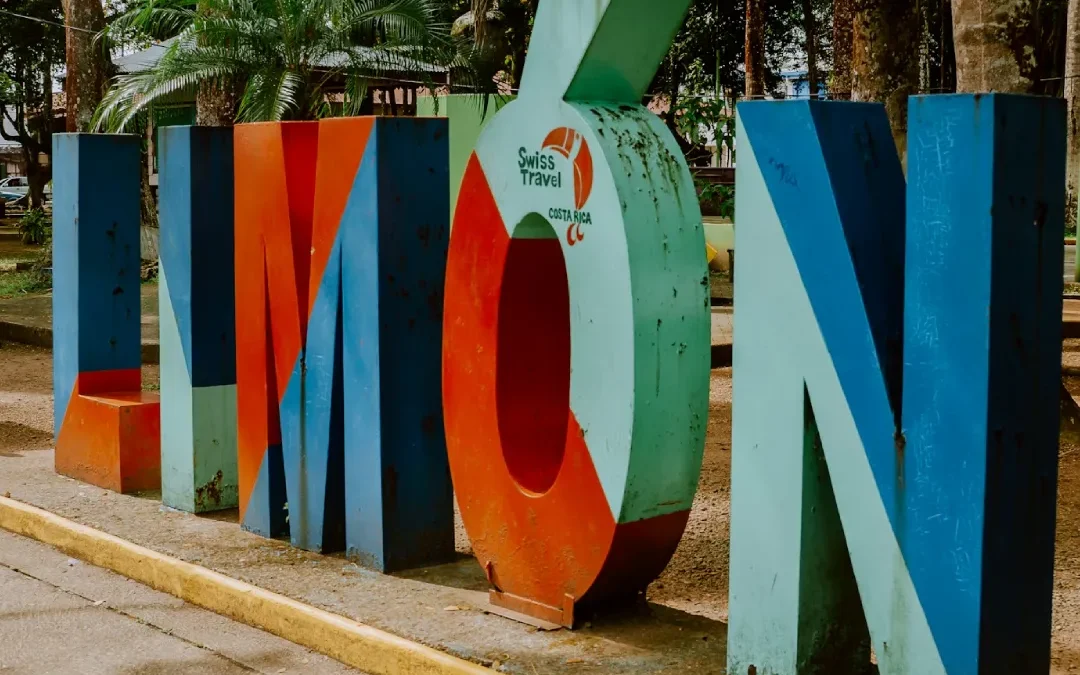
Discover the hidden treasures of Limón, Costa Rica, and learn “Curious Facts You Didn’t Know About Limón” that will surprise you.
When people hear about Limón, most immediately picture turquoise beaches, reggae music, and coconut trees swaying under the Caribbean breeze.
And honestly, who can blame them? The Caribbean coast of Costa Rica feels like a tropical postcard brought to life. But Limón is much more than just beautiful beaches.
This province hides incredible stories, mysterious legends, cultural treasures, unique languages, and even geological events that literally changed the shape of the land. It’s the kind of place where every corner has a story waiting to surprise you.
What makes Limón truly magical is its mix of cultures. African, Indigenous, Chinese, Jamaican, and Costa Rican traditions blend together like ingredients in a perfect Caribbean recipe.
You can hear it in the music, taste it in the food, and feel it in the rhythm of everyday life. Walking through Limón is like stepping into a different world compared to the rest of Costa Rica. The atmosphere is more colorful, more vibrant, and deeply connected to Caribbean heritage.
Tourism in Limón has also grown significantly in recent years thanks to destinations like Tortuguero National Park, Cahuita National Park, and Puerto Viejo.
Travelers now visit not only for relaxation but also for wildlife adventures, Afro-Caribbean culture, gastronomy, and eco-tourism experiences. Limón offers something rare in today’s world: authenticity. It hasn’t lost its soul despite becoming increasingly popular among international visitors.
If you thought Limón was only about beaches, get ready to discover 20 fascinating facts that will completely change the way you see Costa Rica’s Caribbean paradise.
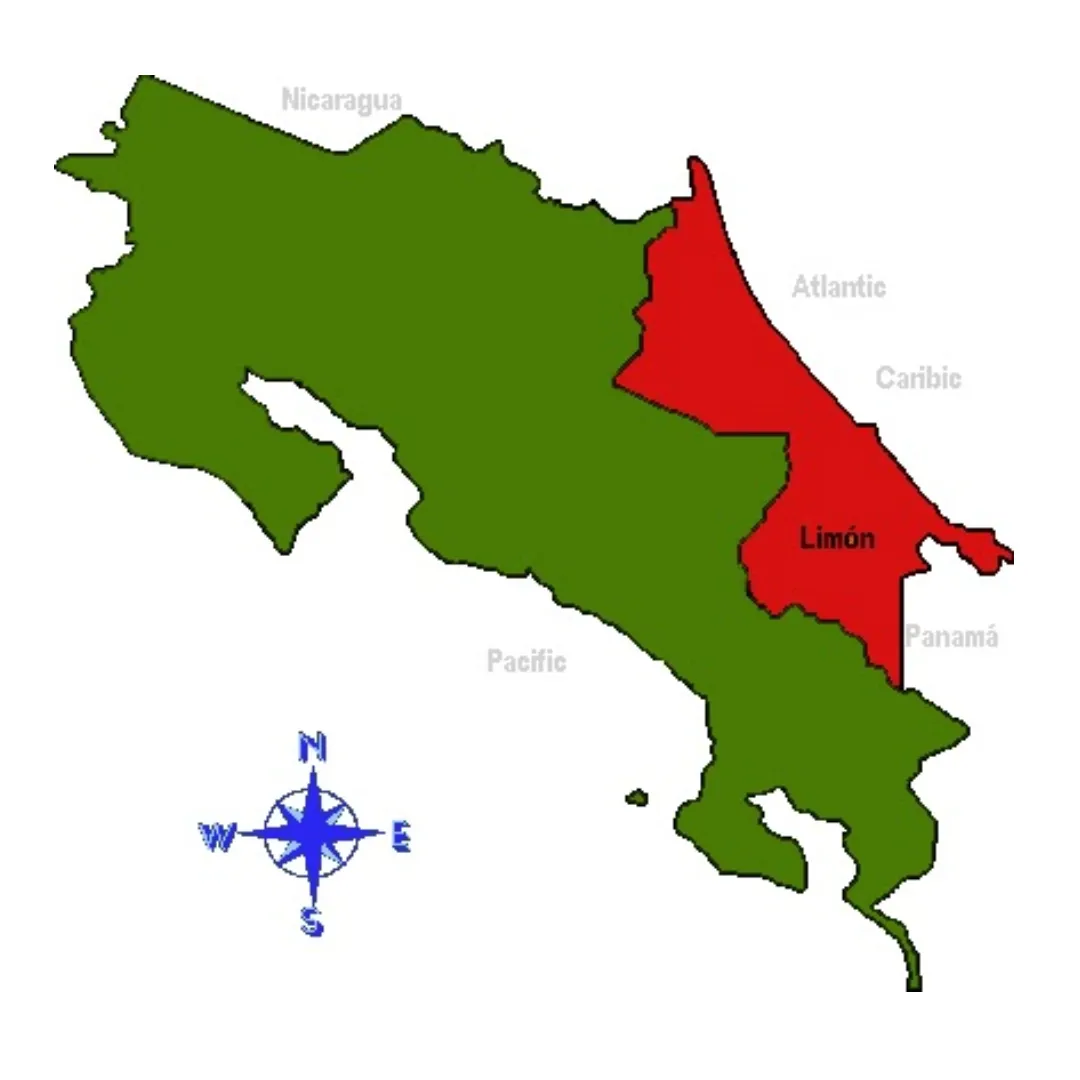
A list of Curious Facts You Didn’t Know About Limón, Costa Rica
Why Limón Is More Than Just Beaches
There’s something deeply special about Limón that many travelers don’t realize until they actually visit. Unlike the Pacific side of Costa Rica, Limón feels alive in a completely different way. The province has a slower rhythm, but at the same time, it bursts with culture, history, music, and biodiversity. It’s almost like the Caribbean itself has its own heartbeat. You don’t just visit Limón—you experience it with all your senses.
One of the most fascinating things about Limón is how culturally diverse it is. Afro-Caribbean traditions remain strong here, especially in towns like Puerto Viejo and Cahuita. Jamaican influence can be heard in local speech, seen in colorful houses, and tasted in dishes cooked with coconut milk and Caribbean spices. This multicultural identity makes Limón one of the richest cultural regions in all of Central America.
Nature also plays a starring role. Limón contains rainforests, coral reefs, canals, wildlife refuges, and mountains. It’s one of the few places where you can see sloths hanging from trees in the morning and then snorkel among coral reefs in the afternoon. Add sea turtles, tropical birds, jaguars, and waterfalls into the mix, and suddenly Limón feels less like a destination and more like an entire universe of experiences.
At the same time, Limón is economically vital for Costa Rica. Ports like Moín handle much of the country’s international trade, especially banana and pineapple exports. So while tourists may know Limón for adventure and beaches, the province also functions as a major engine for Costa Rica’s economy and global connections.
Christopher Columbus First Arrived in Limón
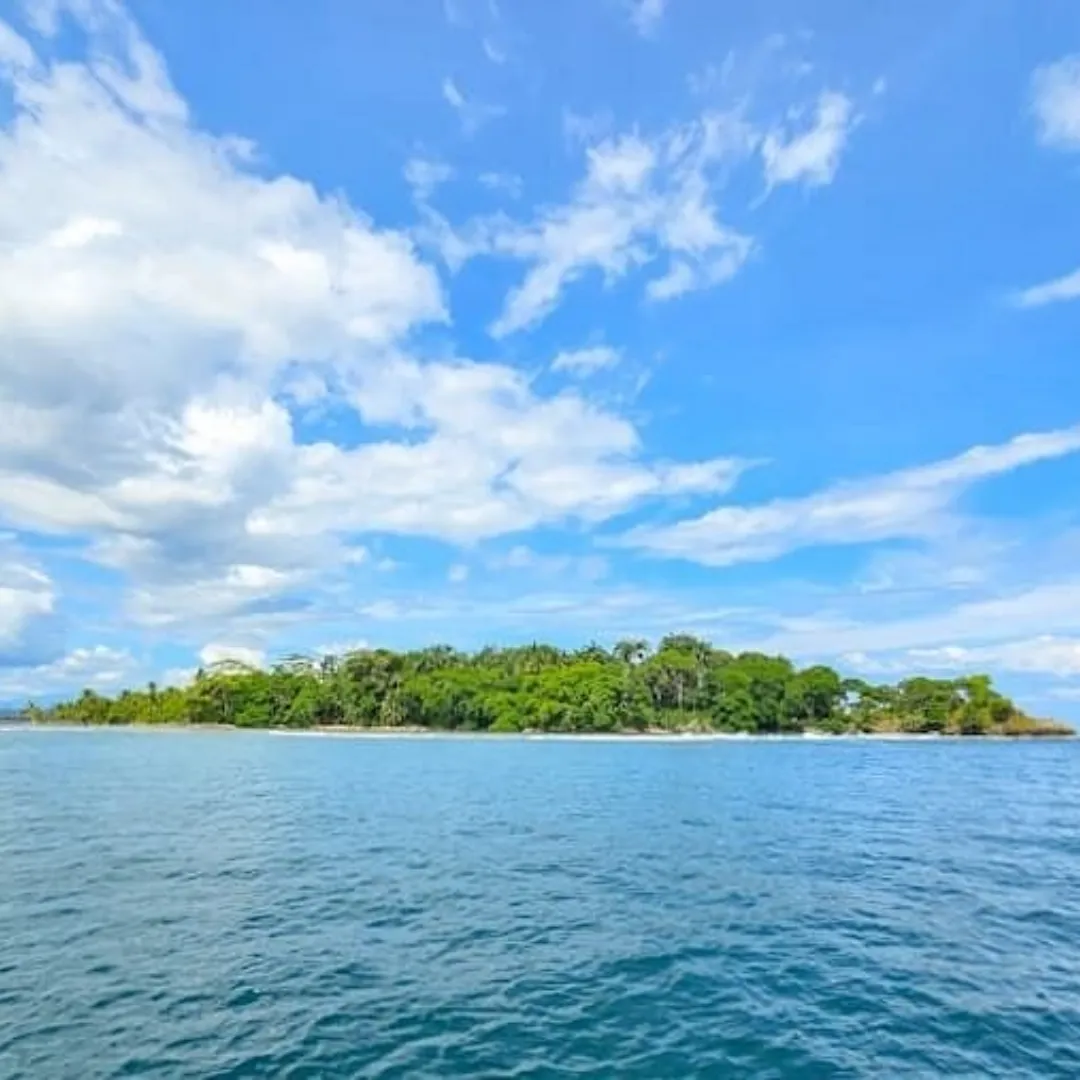
Most people know that Christopher Columbus reached Costa Rica during his fourth voyage in 1502, but very few know that his first contact with the country happened specifically in Limón. According to historical records, Columbus arrived near what is now known as Isla Uvita, also called Quiribrí Island. This small island, located just off the coast of Limón city, became one of the earliest European contact points in Costa Rican history.
The Historical Importance of Isla Uvita
Isla Uvita may look like a peaceful tropical island today, but centuries ago, it marked a major turning point in history. Columbus reportedly admired the richness of the land and the gold ornaments worn by Indigenous people in the area. Some historians believe this encounter influenced the name “Costa Rica,” meaning “Rich Coast.” Whether legend or reality, the story remains one of the most famous historical facts connected to Limón.
Today, Isla Uvita is a hidden gem for visitors interested in both history and nature. The island offers crystal-clear waters, coral areas, and incredible views of the Caribbean coastline. Yet despite its importance, many travelers still overlook it. That’s part of what makes Limón so fascinating—some of its greatest treasures remain quietly hidden away from mass tourism.
The arrival of Columbus also symbolizes the beginning of centuries of cultural transformation in the Caribbean region. Indigenous communities, Afro-Caribbean migration, and international trade all shaped the identity of Limón over time. You can still feel those historical layers today in the music, architecture, language, and traditions of the province.
The Unique Language of Limón: Mekatelyu
Imagine visiting a place where people casually switch between Spanish, English, and a Caribbean Creole dialect that sounds unlike anything you’ve heard before. Welcome to Limón, home of Mekatelyu, also known as Limonese Creole English. The name comes from the phrase “May I tell you?” and over time evolved into the local pronunciation: Mekatelyu.
This dialect developed mainly because of Jamaican immigration during the construction of Costa Rica’s railroad and banana plantations in the late 19th century. Workers brought their language, traditions, music, and customs with them. Instead of disappearing over time, the dialect became a living symbol of Afro-Caribbean identity in Limón.
How English Creole Shaped Caribbean Identity
Mekatelyu is more than just a way of speaking—it represents culture, resistance, and heritage. Listening to locals speak feels musical, almost rhythmic, reflecting the strong Caribbean influence that defines the province. The dialect combines English vocabulary with African linguistic roots and Caribbean expressions, creating something entirely unique to Limón.
In schools and public spaces, Spanish dominates, but in many communities, especially among older generations, Mekatelyu remains deeply alive. You can hear it in conversations, songs, jokes, and traditional storytelling. It adds another layer of authenticity to Limón’s cultural landscape.
Language often acts like a time capsule, preserving the stories and identity of a people. In Limón, Mekatelyu keeps the Afro-Caribbean spirit alive and reminds visitors that Costa Rica is far more culturally diverse than many expect.
Tortuguero and the Kingdom of Sea Turtles
If Limón had a wildlife crown jewel, it would undoubtedly be Tortuguero National Park. This extraordinary destination is internationally famous as one of the most important nesting sites for green sea turtles in the Western Hemisphere. Conservation organizations and scientists from around the world visit Tortuguero to study and protect these incredible animals.
Why Tortuguero Is Famous Worldwide
Every year, thousands of sea turtles arrive on Tortuguero’s beaches to lay eggs, creating one of nature’s most spectacular events. Watching a massive turtle emerge from the ocean under moonlight feels almost unreal. It’s one of those experiences that makes people whisper instead of talk, simply because the moment feels sacred.
But Tortuguero is much more than turtles. The park protects rainforests, canals, wetlands, and enormous biodiversity. According to Costa Rica’s National System of Conservation Areas, the park shelters hundreds of species of birds, reptiles, mammals, and amphibians. Jaguars, monkeys, manatees, crocodiles, and colorful frogs all inhabit this incredible ecosystem.
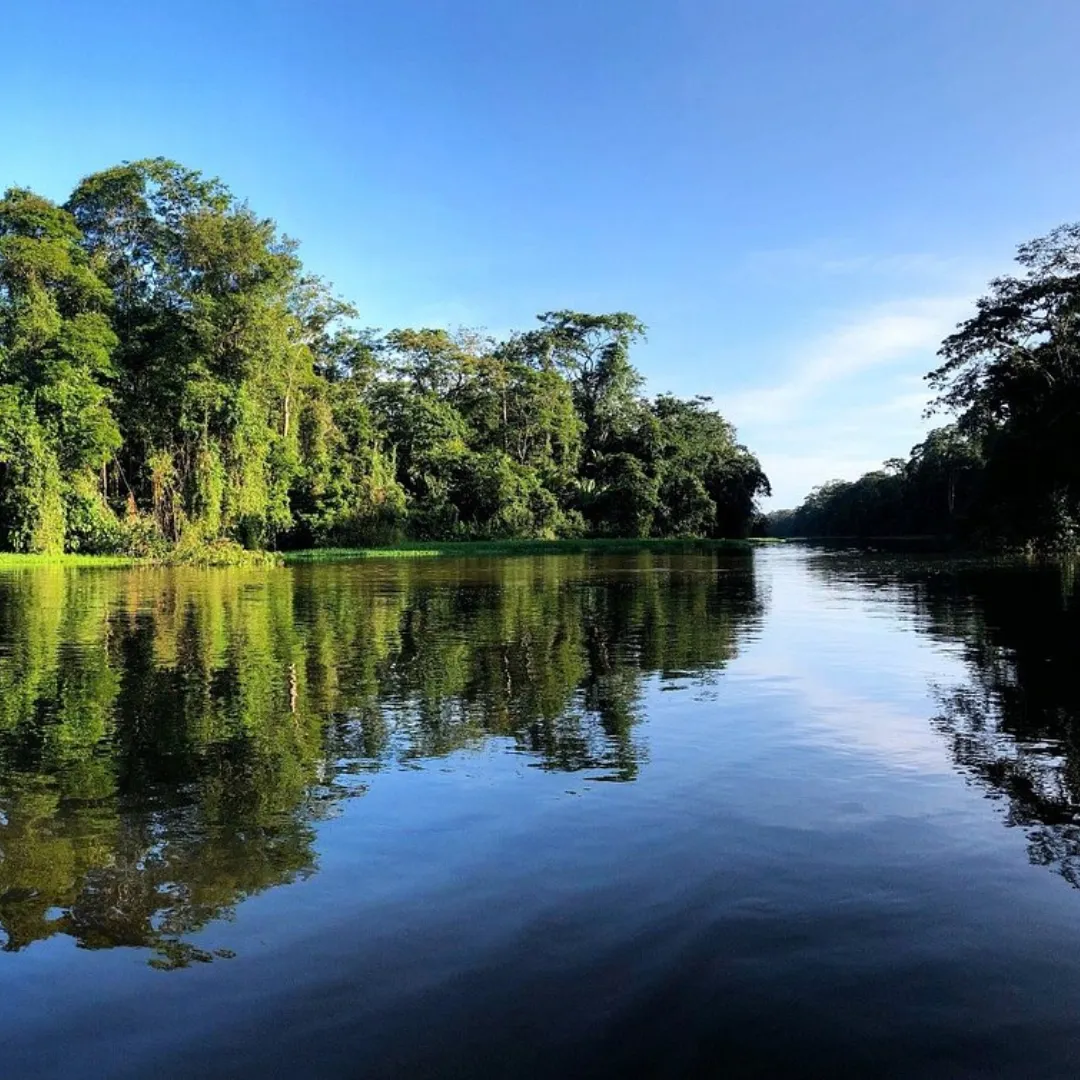
Getting to Tortuguero is part of the adventure itself. There are no highways leading directly there. Most visitors arrive by boat through jungle canals, giving the journey an almost Amazon-like feeling. In fact, many travelers call Tortuguero the “Amazon of Costa Rica.” The moment you enter the canals surrounded by dense rainforest, you immediately understand why.
The community of Tortuguero also depends heavily on eco-tourism. Conservation and tourism work hand in hand here, proving that protecting nature can create economic opportunities while preserving biodiversity for future generations.
Victorian Architecture in the Caribbean
One of the biggest surprises in Limón is its architecture. Unlike many other Costa Rican cities, Limón has a strong Caribbean and British-inspired architectural style. Walking through older parts of Limón city feels different from the rest of the country because colorful wooden buildings, balconies, and Victorian details dominate the landscape.
British and Jamaican Influences in Limón
This architectural identity developed largely due to Jamaican immigration and British Caribbean influence during the railroad and banana boom era. Many builders adapted Caribbean Victorian designs to the tropical climate, using elevated structures, wide windows, and airy spaces to handle humidity and heat.
The architecture reflects Limón’s multicultural roots. It tells the story of migration, trade, and cultural exchange without needing a museum guide or history book. Even abandoned buildings seem to whisper stories from another era, when Limón served as one of Costa Rica’s most important international gateways.
Sadly, some historical buildings have deteriorated over time, but preservation efforts continue. Locals increasingly recognize the importance of protecting Limón’s unique architectural identity because it represents a vital piece of Costa Rica’s Caribbean heritage.
Warm Caribbean Waters Unlike the Pacific
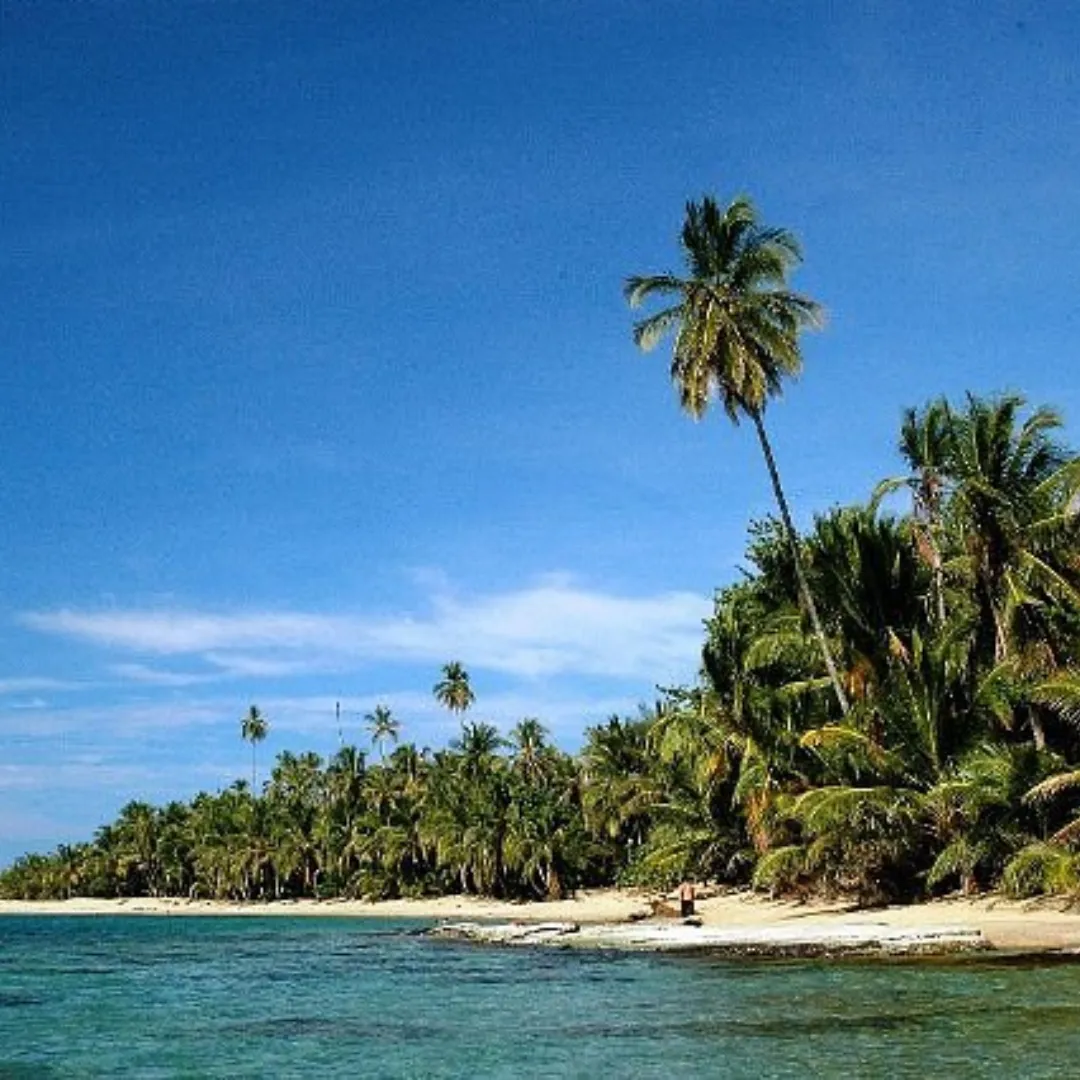
Here’s a fun fact many visitors notice immediately: the beaches in Limón often feel warmer than those on Costa Rica’s Pacific coast. Stepping into the Caribbean Sea can feel almost like entering a giant natural pool. The water temperature stays pleasantly warm throughout much of the year, making swimming incredibly enjoyable.
The Caribbean side also has calmer, crystal-clear waters in areas like Punta Uva and Manzanillo. These beaches look like scenes from a tropical movie set, with turquoise water blending into white sand and jungle vegetation. Unlike some Pacific beaches with strong waves, many Caribbean beaches in Limón are ideal for relaxed swimming and snorkeling.
Warm water may seem like a small detail, but it changes the entire experience. You can spend hours in the ocean without feeling cold. It’s one reason why travelers often fall deeply in love with the Caribbean side of Costa Rica after just one visit.
Rice and Beans: The Flavor of Afro-Caribbean Culture
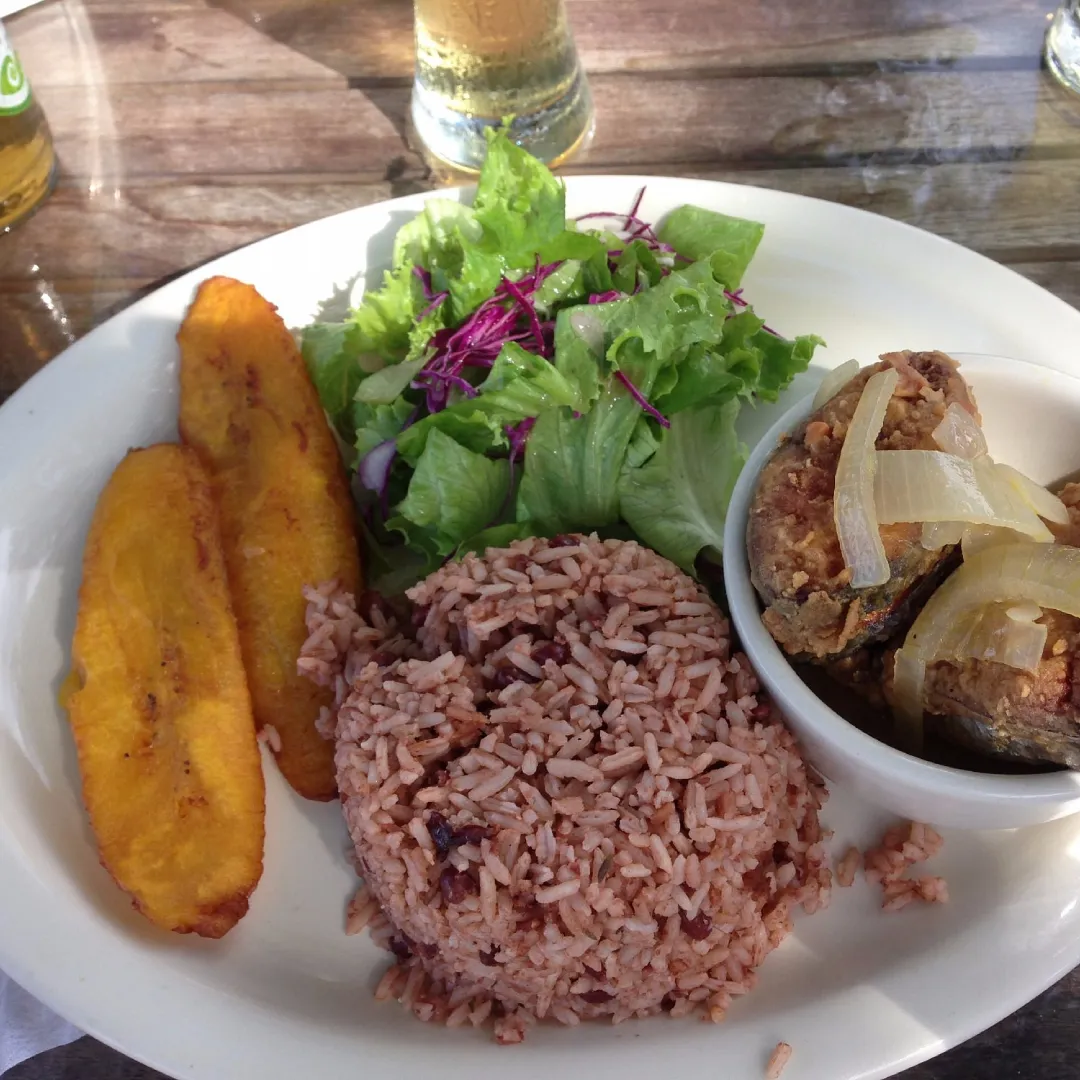
You haven’t truly experienced Limón until you’ve tasted authentic Rice and Beans. And no, this is not the same thing as the typical rice and beans served elsewhere in Latin America. In Limón, this dish is a cultural icon rooted in Afro-Caribbean traditions.
Coconut Milk Makes the Difference
The secret lies in the coconut milk and coconut oil used during cooking. These ingredients transform simple rice and beans into something creamy, aromatic, and unforgettable. Add Caribbean spices, chicken, fish, or spicy sauce, and suddenly you understand why locals are so proud of their cuisine.
Food in Limón reflects history and migration. Jamaican culinary traditions blended with local ingredients to create flavors unique to Costa Rica’s Caribbean coast. Alongside Rice and Beans, dishes like patí, rondón, and plantain-based recipes continue to preserve Afro-Caribbean culinary heritage.
Eating in Limón feels personal. Meals are often prepared slowly, with recipes passed down through generations. Every bite carries culture, memory, and identity.

Limón, the Cradle of Calypso Music
Music flows through Limón like ocean waves. Among the province’s greatest cultural contributions is Calypso music, a Caribbean musical style filled with storytelling, humor, rhythm, and social commentary. Limón became the heart of Calypso in Central America thanks largely to Afro-Caribbean communities that preserved and evolved the genre over generations.
Traditional Calypso songs often tell real stories about everyday life, local scandals, love, politics, and community events. Think of it like a musical newspaper mixed with poetry and humor. Artists transformed ordinary experiences into catchy rhythms that made people dance while also reflecting on society.
One of the most legendary figures in Costa Rican Calypso history was Walter Ferguson, whose music became internationally recognized for preserving authentic Caribbean sounds. His songs helped put Limón’s cultural identity on the global map.
Today, Calypso festivals and live music events continue to keep the tradition alive. You don’t just hear music in Limón—you feel it everywhere, from beach bars to local celebrations and family gatherings.
The Massive Port of Moín
While tourists often focus on beaches and wildlife, Limón also contains one of the most important commercial hubs in Central America: Port of Moín. This modern port plays a critical role in Costa Rica’s economy and international trade.
Why Moín Is Key for Costa Rica’s Economy
Moín handles massive exports including bananas, pineapples, coffee, and other agricultural products. Thousands of shipping containers move through the port every year, connecting Costa Rica to global markets. It’s essentially one of the country’s economic lifelines.
The modernization of Moín transformed Costa Rica’s Caribbean logistics system. Advanced infrastructure allows larger cargo ships to operate more efficiently, strengthening trade connections with North America, Europe, and beyond.
What’s fascinating is how Limón balances industrial importance with natural beauty. Few places manage to combine rainforests, coral reefs, tourism, and global commerce in the same region quite like Limón does.
Puerto Viejo and the Bicycle Lifestyle
In places like Puerto Viejo de Talamanca, bicycles are more than transportation—they’re part of the culture. Visitors quickly notice locals casually riding bikes everywhere: to the beach, grocery stores, restaurants, and even parties.
The laid-back atmosphere makes biking feel natural. Streets are relaxed, distances are short, and the Caribbean scenery transforms every ride into a mini adventure. Renting a bike in Puerto Viejo almost feels mandatory because it allows travelers to fully experience the slow Caribbean rhythm.
This bicycle culture also reflects the eco-conscious mindset of the area. Many residents prioritize sustainability, outdoor living, and simplicity over fast-paced urban lifestyles.
Legends and Mysteries of the Caribbean
Every region has its myths, but Limón’s legends feel especially mysterious because of the province’s dense jungles, old plantations, and Caribbean folklore traditions.
The Story of the Witch of Matina
One of the most famous legends is the story of the Witch of Matina, a mystical figure deeply rooted in local folklore. Stories vary depending on who tells them, but many describe a supernatural woman connected to dark magic and mysterious events in the region.
Legends like these survive because storytelling remains important in Caribbean culture. Older generations pass tales down orally, keeping folklore alive through imagination and community memory.
Whether people believe these stories literally or not, they add another fascinating layer to Limón’s identity. The Caribbean coast has an atmosphere that naturally inspires mystery—foggy forests, hidden rivers, isolated beaches, and endless tropical rain all create the perfect setting for legends.
Chinese Influence in Limón
Many people are surprised to learn that Limón has one of the oldest Chinese communities in Central America. Chinese immigrants arrived during the 19th century, many of them connected to railroad construction and commercial activities.
Over time, Chinese culture blended into Limón’s multicultural identity. Restaurants, family businesses, traditions, and community networks became part of everyday life in the province. This mixture of Afro-Caribbean, Indigenous, Chinese, and Costa Rican influences makes Limón culturally unique within the country.
Walking through Limón today, you can still see traces of this multicultural fusion in food, surnames, architecture, and local businesses.
Cahuita’s Living Coral Reefs
Cahuita National Park protects one of the most important coral reef systems in Costa Rica. For snorkelers and divers, this area feels like entering another universe filled with colorful fish, coral formations, and marine biodiversity.
The coral reefs play a crucial ecological role by protecting coastlines and supporting marine ecosystems. They also attract eco-tourism, helping local communities benefit from conservation efforts.
Cahuita itself has a unique vibe. It combines Afro-Caribbean culture, nature, and relaxed beach life in a way that feels authentic rather than commercialized. Many travelers visit for a day and end up staying much longer than planned.
The 1991 Earthquake That Changed the Coastline
One of the most shocking facts about Limón is that a powerful earthquake in 1991 literally lifted parts of the Caribbean coastline by more than a meter. Scientists documented dramatic geological changes after the magnitude 7.7 earthquake struck the region.
The earthquake caused coastal uplift, landslides, liquefaction, and severe infrastructure damage across the Caribbean region. In some areas, coral reefs suddenly became exposed because the land itself had risen. Researchers later described it as one of the most significant geological events in Costa Rican history.
Nature in Limón constantly reminds people that the Caribbean coast is alive and dynamic. Even devastating events like earthquakes become part of the province’s story and identity.
Afro-Costa Rican Culture and the Grand Parade
Every August 31st, Limón celebrates the Day of the Black Person and Afro-Costa Rican Culture with spectacular parades, traditional clothing, music, and dance. The famous Gala Parade fills the streets with color, elegance, and Caribbean pride.
This celebration honors the enormous contribution Afro-descendant communities have made to Costa Rica’s history, culture, sports, cuisine, and economy. Watching the parade feels like witnessing history dancing through the streets.
The event also serves as an important reminder that Costa Rica’s identity is multicultural. Limón plays a central role in preserving and celebrating that diversity.
Banana Capital of Costa Rica
Banana plantations are deeply connected to Limón’s history and economy. The province produces a large percentage of Costa Rica’s exported bananas, making it one of the country’s agricultural powerhouses.
The banana industry shaped infrastructure, migration patterns, and economic development throughout the Caribbean region. Railroads, ports, and international trade all expanded because of banana exports.
While the industry brought economic opportunities, it also influenced social and environmental changes that continue shaping Limón today.
Sloth Sanctuaries and Wildlife Wonders
Limón is paradise for wildlife lovers. The province is home to rescue centers and sanctuaries dedicated to protecting sloths and other animals.
One of the most famous is the Sloth Sanctuary of Costa Rica, recognized internationally for sloth rehabilitation and research. Visitors can learn about conservation while observing these adorable animals up close.
Sloths have almost become unofficial mascots of Costa Rica, and Limón offers some of the best opportunities to see them naturally in the wild.
Mountains, Indigenous Culture, and the Talamanca Range
Many people forget that Limón is not only coastline. The province also contains part of the impressive Talamanca Mountain Range, one of the most biodiverse mountain regions in Central America.
These mountains are home to Indigenous communities that continue preserving ancient traditions, languages, and spiritual connections to nature. Visiting these regions offers a completely different side of Limón—cooler climates, cloud forests, rivers, and rich cultural heritage.
The contrast between Caribbean beaches and mountain landscapes makes Limón incredibly diverse geographically.
Limón’s Famous Carnival Celebration
If there’s one event that truly captures the energy of Limón, it’s the Carnival. Held every October, the celebration lasts for days and transforms the province into a giant festival filled with music, dancing, costumes, and joy.
Carnival reflects the soul of the Caribbean. It’s loud, colorful, emotional, and impossible to ignore. Comparsas, calypso bands, food stands, and cultural performances create an atmosphere that feels electric.
For locals, Carnival is more than entertainment—it’s identity, tradition, and community pride all rolled into one unforgettable celebration.
In conclusion, Limón is one of the most fascinating places in Central America because it combines history, culture, nature, mystery, and Caribbean energy into a single destination. Beyond its beautiful beaches lies a world filled with sea turtles, coral reefs, Victorian architecture, Afro-Caribbean traditions, Calypso music, Indigenous culture, and stories that stretch back centuries.
From the arrival of Christopher Columbus to the modern port of Moín, Limón has always played an important role in Costa Rica’s identity. The province constantly surprises visitors because every town, beach, and forest hides something unexpected.
What truly makes Limón unforgettable, though, is its spirit. The people, music, food, and atmosphere create an experience that feels warm, authentic, and alive. Limón isn’t just a destination you visit—it’s a place you feel deeply.
So, which of these facts surprised you the most?